
Warehouse in a Warehouse
Warehouse Automation Blog

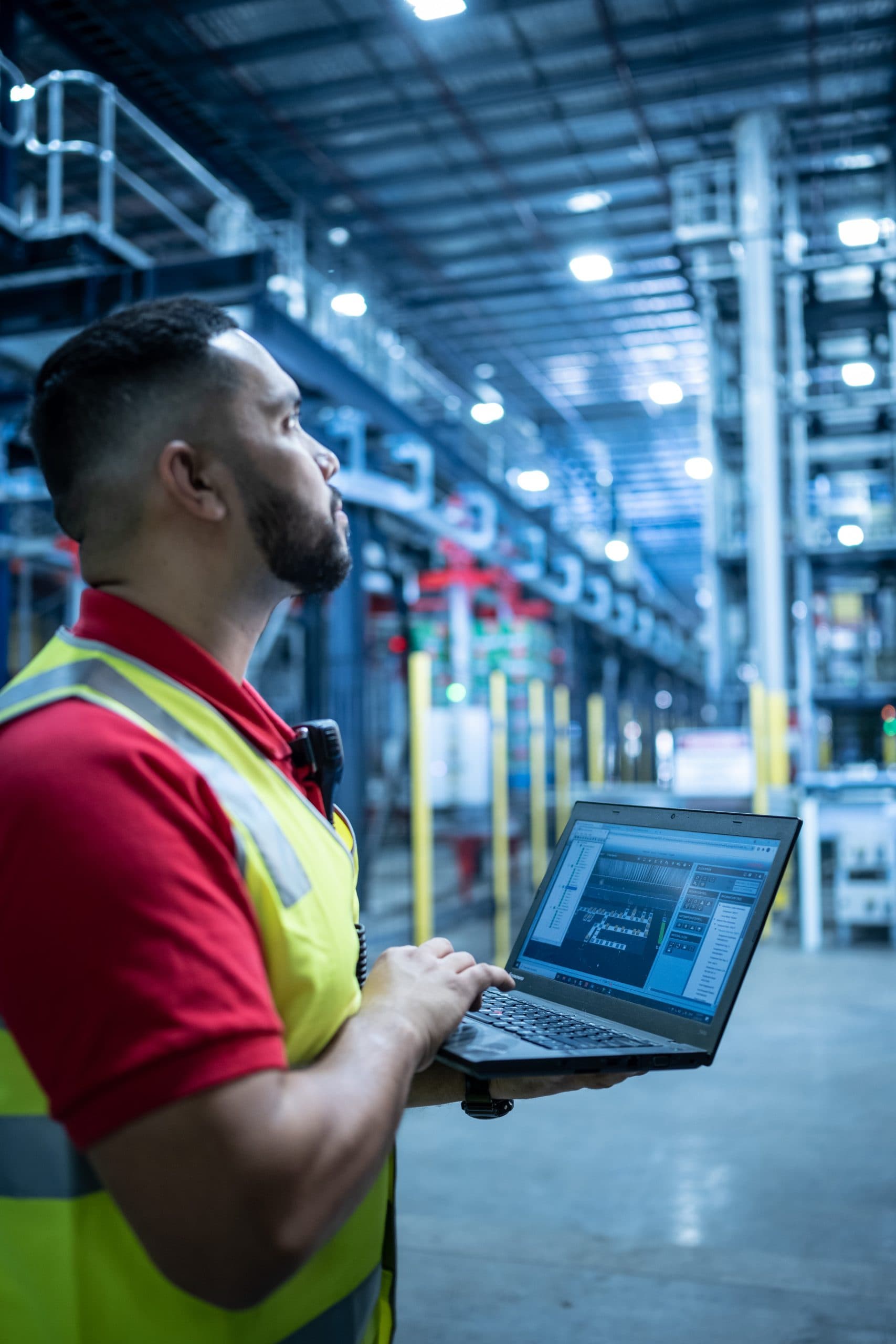
Today’s supply chain environment has blurred the lines between retail, wholesale, and distributor. Each is taking on tasks that traditionally; the others have done. Distributors are acting like retailers, retailers are acting like wholesalers, and so on. Thanks to the massive uptick in ecommerce for this difficult landscape that every company is trying to navigate. In many cases, ecommerce now accounts for upwards of 25 percent of more traditional fulfillment operations.
Organizations that are accustomed to shipping pallets are now facing the reality that they must ship batches, sometimes by the thousands. It’s no surprise that they are slammed and, in some cases, sinking under the weight. There are several options to manage this new world:
- Try to ride it out
- Made additional modifications to your WMS
- Change out the entire WMS
- Upgrade your WMS
- Automate your warehouse
- Enhance your operations with an e-commerce WMS
One of these stands out from the others: Establishing a warehouse within your warehouse with an e-commerce WMS.
What does that look like exactly? It’s both a physical change and a technical change that can ease the burden so many companies are facing in these unprecedented times.
On the physical side, it means setting off a portion of your warehouse for your ecommerce fulfillment operations. This could be as simple as a marked off yellow square on your building’s floor, complete with the shelving and picking solutions you prefer.
On the technology side, you’ll be adding an ecommerce warehouse management system, designed specifically for this type of operation. Such software optimizes pieces picking via advanced functionality. It directs pickers via a mobile device to the right spot within a picking system. It’s user friendly, low risk, and doesn’t’ require a big investment.
Such a system will integrate seamlessly with your existing ERP, WMS or other legacy system. So that original system will send the order to the ecommerce WMS, where pickers are ready to pick and assemble the order. They follow the instructions, operating within the physical boundaries of your warehouse in a warehouse, and bring the finished order to the packing area to assemble it and ship it.
An example of this in action: A puzzle maker begins shipping direct-to-consumer and establishes a policy that if a customer receives a puzzle and discovers a piece missing, the maker will ship a replacement out the next day. The problem? The puzzle maker is accustomed to shipping its products to retailers, not direct-to-consumer. Their warehouse cannot keep up in its current format.
The solution is to build a warehouse within the warehouse and treat the ecommerce fulfillment portion of the business as its own entity. Using specific ecommerce management software, the puzzle company can get back on track and meet its direct-to-consumer customers’ expectations.
When your company designed your warehouse and added your legacy WMS, it was likely long before anyone saw the ecommerce boom coming. Now that it’s here, your best option for managing fulfillment efficiently is to add a warehouse within the warehouse.
For more information about the Solutions Community: https://www.mhi.org/solutions-community
For further articles from the Solutions Community:
Supply Chain Lessons Learned During The Pandemic
3 Ways Digital Tools Improve Warehouse Labor Productivity
Logistics And The Importance Of Digital Inventory
- #Blog
- #SolutionsCommunity
- #Education
- #Technology
- #E-Commerce
- #Software
- #Warehouse Management Software
- #Warehouse Solutions
- #WMS
View more blogs by:
Related Content
BLOG
Taking A Holistic Approach To Warehouse Resource Optimization Through Software

BLOG
Cloud Vs On-Prem WES
BLOG
What to Expect from a WMS
BLOG


