MHI Logo

Industry Group Blogs

Blogs from MHI Industry Groups — expert insights on material handling, automation, safety, and supply chain trends. Each blog is listed once with every Industry Group that publishes there.

All Industry Group Blogs (10)

Advanced Energy Council

Industry Groups: AEC

Advanced Energy Council (AEC): Founded in 2023, the Advanced Energy Council was established to represent the companies that produce, implement, and support advanced energy technologies and accessories. The group was formed with the intention of being inclusive of current and future motive energy storage technologies. Value Proposition: Educate, the market, colleagues, standardization for the customer (end user), transparency and trust, share, research (market research, market size, point of use) Center of excellence and expertise - resource for the best knowledge Collective voice of the members to promote innovative energy solutions Membership Types: Manufacturers of Batteries Manufacturers of Chargers and Accessories Equipment OEM's (examples: AMRs/AGVs, Forklifts, Drones, Carts, and Aerial Equipment) Suppliers to Battery Industry Consultants Service Companies Academics Mission: To uplift and promote the safe use and adoption of advanced energy technologies in motive material handling applications. Vision: Advancing sustainable motive material handling energy solutions.

Automated Storage Retrieval Systems

Industry Groups: ASRS

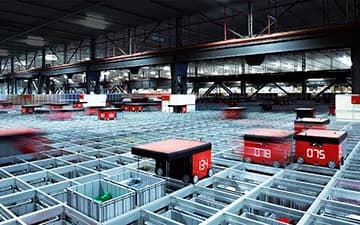
Automated Storage Retrieval Systems (ASRS): Automated Storage/Retrieval Systems (ASRS) members are the Industry’s leading suppliers of automated storage/retrieval systems. They supply systems worldwide and in virtually every major manufacturing and distribution sector. Mission: Deliver member value by collectively and collaboratively growing and supporting the Automated Storage/Retrieval Systems market. Vision: To be recognized as the independent authority on Automated Storage/Retrieval System solutions and technologies. The Automated Storage/Retrieval Systems Industry Group is a member-driven organization. Members meet regularly to create value in areas they cannot achieve independently through: Contribution to the development and promotion of standards and safety codes Delivery of market intelligence through the collection of statistics and other activities. Preparation and distribution of promotional and educational materials on key features, advantages and benefits of AS/RS for customers. Developing safe-harbor relationships through networking and collaboration. An Automated Storage and Retrieval System (AS/RS) is a combination of equipment and controls that handle, store and retrieve materials as needed with precision, accuracy and speed under a defined degree of automation. Systems vary from relatively simple, manually controlled order-picking machines operating in small storage structures to extremely large, computer-controlled storage/retrieval systems totally integrated into a manufacturing and distribution process. Generically speaking, AS/RS refers to a variety of computer-controlled methods for automatically depositing and retrieving loads to and from defined storage locations. Within an AS/RS environment one would find one or more of the following technologies: Horizontal Carousels, Vertical Carousels, Vertical Lift Modules, and/or Robotic Storage Retrieval Systems (RSR), the latter utilizing special storage retrieval machines to do the work needed to insert, extract and deliver loads to designated input/output locations within the aisles being served. The right application of AS/RS provides a long list of user benefits! It has been demonstrated time and time again that Automated Storage and Retrieval Systems are proven technologies capable of effectively and reliably handling and buffering raw materials, work-in-process inventories and finished goods of all kinds, making it possible to totally integrate material handling storage, however temporary, into the total process being served. The AS/RS Industry Group is a member-driven organization. Members meet regularly to review, discuss and revise the standards for design, performance and proper operation of Automated Storage/ Retrieval Systems, and to create value in areas they cannot achieve independently through: The development and promotion of standard nomenclature; Assisting and coordinating the efforts of related trade associations and product sections of MHI as applicable to Automated Storage/Retrieval Systems and component elements; The preparation and distribution of promotional and educational materials; The establishment of liaison and cooperation with private and governmental entities establishing standards and/or safety codes that may be pertinent to this Product Section and Working Groups The collection and dissemination of reliable industry statistics.

Conveyor & Sortation Systems

Industry Groups: CSS

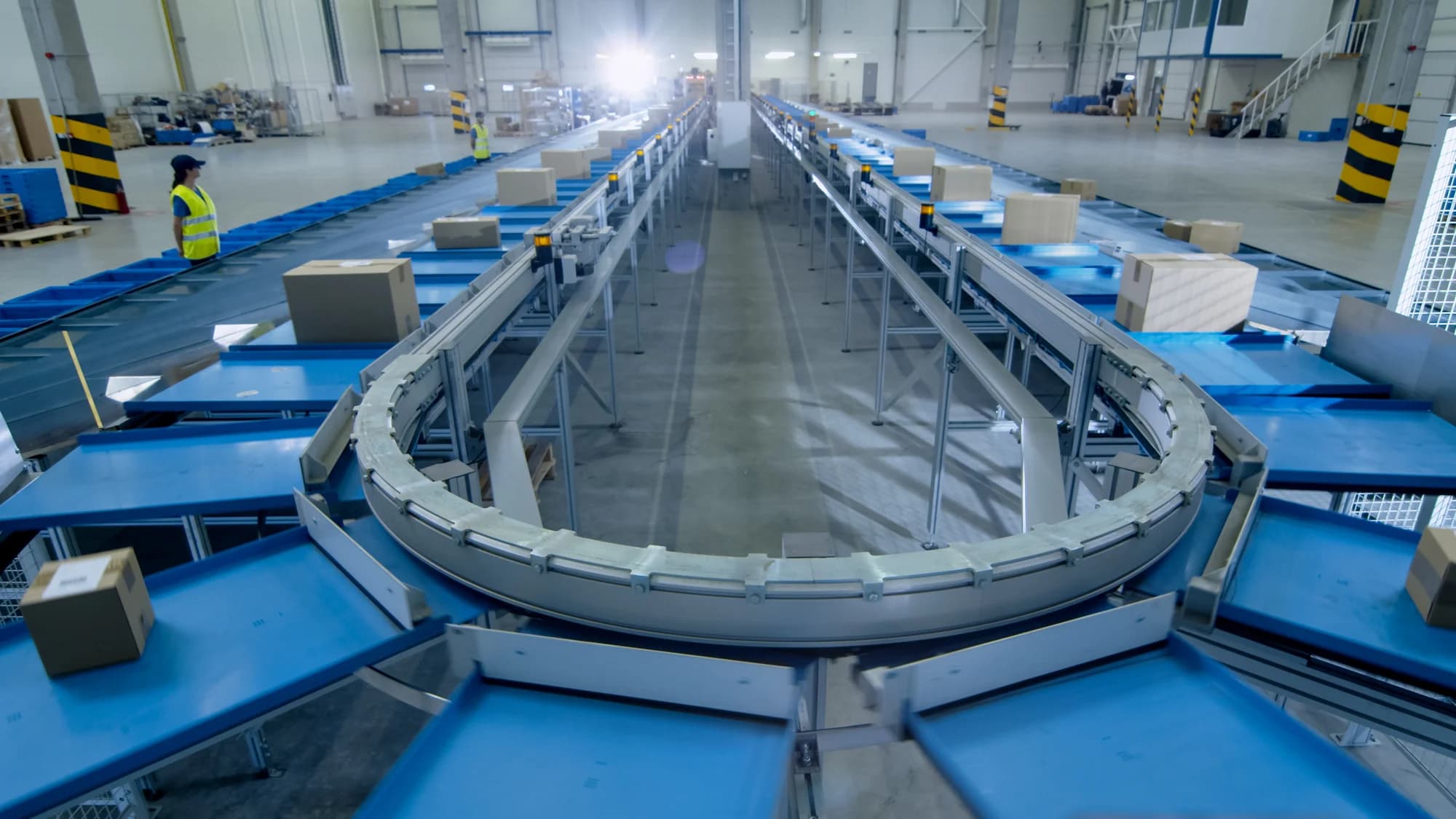
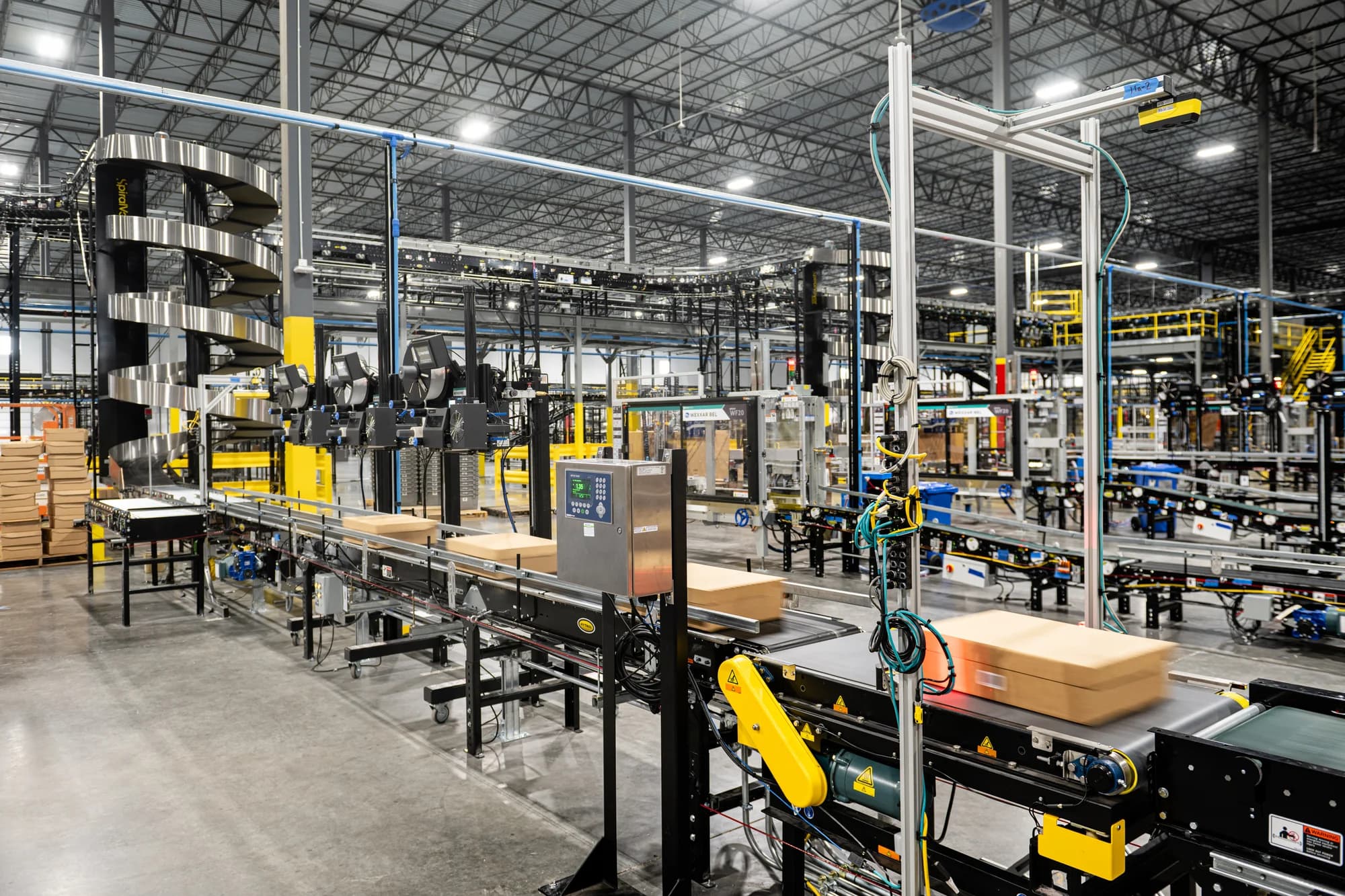
Conveyor & Sortation Systems (CSS): VALUE STATEMENT CSS MISSION & VISION STATEMENT Mission: Vision: To promote the market growth, awareness, and effective use of traditional and emerging conveyor /sortation technologies in manufacturing, warehousing, distribution within the supply chain. To be the trusted independent authority for practitioners and suppliers on market trends, technology developments, and applications through: ▪ Education On key features, advantages, and emerging technologies ▪ Challenges Addressing issues affecting our marketplace through practitioner outreach ▪ Resources Development and distribution of educational materials ▪ Collaboration Of manufacturers & technology providers ▪ Promotion Promotion of career opportunities within the industry VALUE STATEMENT To CSS Customers To CSS Members Trusted since 1971 as Leaders in the design, manufacturing, and supply of Conveyor and Sortation Systems Equipment, Components, and Technology. Unique networking opportunities. Investing in conveyor and sortation solutions in unique ways over time, including giving back through college scholarships, and practitioner and manufacturer education. Can provide practitioners with access to a wide range of perspectives and solutions, and as a collective of manufacturers, are genuinely invested in customer success. LEARN MORE ABOUT CSS MEMBERS >> Provide opportunities for industry education, leadership, and increased market presence. Lend your company the collective credibility of its industry leading members that has been established over its over 50 years as an organization. Provide exposure to practitioners. Access to data on industry trends, emerging technologies, and other market intelligence data. JOIN CSS TODAY >> 1 Market Intelligence 2 Networking & Access to Industry Peers CSS MISSION & VISION STATEMENT - Market forecasts and economic indicator monitoring - Industry commodity forecasts - Leadership development - Networking with other subject matter experts throughout the industry - Trend monitoring - Peer to peer interaction which promotes collaboration and industry betterment 3 3 CSS Members are recognized as Market Leaders - Offer collaborative responses to regulatory changes - Are invested in the promotion, safety, and success of the conveyor and sortation systems industry - Have been recognized as industry leaders since 1971 - Are Subject Matter Experts 4 Increased Exposure to Practitioners & Increased Business Opportunities - Web-based case studies provide potential solutions and increase engagement with practitioners - Blogs for Industry Awareness and Promotion - Practitioner Educational Publications OUR STRUCTURE

Mobile Automation Group

Industry Groups: MAG

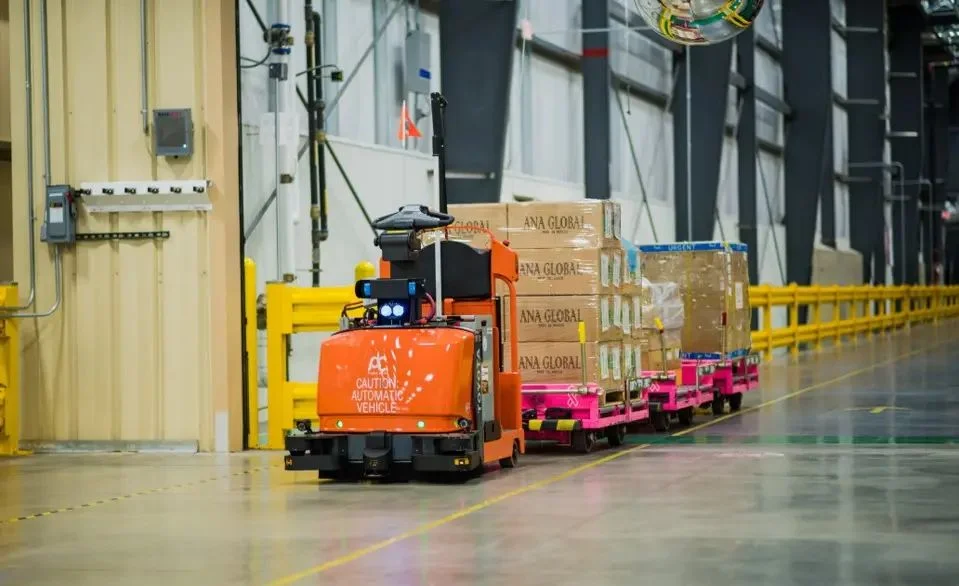
Mobile Automation Group (MAG): Mobile Automation Group (MAG) members are the Industry’s leading suppliers of automatic guided vehicle systems. They supply systems worldwide and in virtually every major manufacturing and distribution sector. Mission: To promote the market awareness, growth, and effective use of driverless industrial vehicle systems (e.g. AGVS, AMRs, and AGCs) Vision: To be the trusted, independent authority on driverless industrial vehicle systems The MAG group is a collaboration of trusted industry leaders that provide: Market Intelligence Market Awareness and Clarity Leadership Safety Advocacy Market Access By Coordinating Statistical Programs Delivering Promotional Marketing Providing Education Influencing Industry Standards Overcoming Barriers to Adoption Both Automatic Guided Vehicles (AGVs) and Autonomous Mobile Robots (AMRs) are computer-controlled wheel-based load carriers (normally battery powered) that run on a plant or warehouse floor (or, if outdoors, on a paved surface). The main difference between AGVs and AMRs is how the path they follow is determined. Most AGVs follow predefined paths, although there may be areas of the plant or warehouse where they have more freedom. AMRs can determine their own path, although they will attempt to follow suggested paths if they exist. This difference leads to differing methodologies for ensuring safe operation for the two types of vehicle. AGVs follow the ANSI B56.5 Safety Guidelines There is a standard under development for AMRs MAG member companies meet regularly to review, discuss and revise the standards for design, performance and safe operation of automatic guided vehicle systems. MAG members are committed to the development, maintenance and publishing of industry standard specifications for these systems. MAG programs include: The development of educational and training materials; A voice in the development and maintenance of national standards; The confidential exchange of market statistics and publication of industry data to the public; The communication of the benefits of AGVS solutions via trade shows, educational forums, and other national and regional seminars.

Overhead Lifting Blog

Industry Groups: CMAA, HMI, MMA

Crane Manufacturers Association of America, Inc. (CMAA): CMAA is the Crane Manufacturers Association of America, Inc., an independent trade association affiliated with the Material Handling Industry. CMAA traces its roots to the Electric Overhead Crane Institute, known as EOCI, which was founded in 1927 by leading crane manufacturers of that time to promote the standardization of cranes as well as uniform quality and performance. The voluntary association was incorporated as the Crane Manufacturers Association of America, Inc. in 1955. Member Companies, representing the industry leaders in the overhead crane industry, serve the United States market from operations based in the United States, Canada, and Mexico. Mission Deliver technical specifications and resources that promote safety in the design, operation, and maintenance of overhead cranes. Vision To be the most trusted knowledge resource for overhead cranes. As the premier, preferred brand in the materials handling industry, CMAA: Is recognized as the leading advocate for the safe application and operation of overhead traveling crane equipment and related products. Engineering specifications are widely recognized as the preferred design standard for overhead traveling cranes, integrated crane systems, and crane components. Is recognized as the leading authority and the principal resource in the overhead traveling crane industry. Conducts business professionally with a spirit of enthusiasm, cooperation, honesty and integrity. Positions its Members to achieve marketplace leadership. Members, recognized as the leaders in the marketplace: Deliver superior value in their products and services. Provide products and services that are safe and productive. Provide high value and versatile solutions. Develop knowledgeable and expert channel partners. Provide an environment in which our customers can confidently purchase and derive superior value from our products.

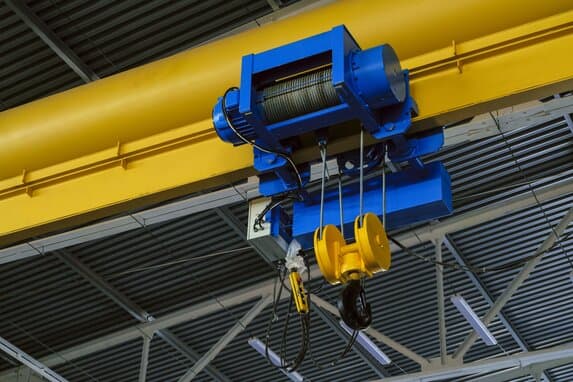
Hoist Manufacturers Institute, Inc. (HMI): The Hoist Manufacturers Institute, Inc. (HMI) is an independent trade association affiliated with the Material Handling Industry. HMI’s history starts in 1917 with the Electric Hoist Manufacture’s Association which was dissolved and replaced by the Hoist Manufacturer’s Association in 1956. During this time, hoist performance standards were created. In 1971, these performance standards were published under the Hoist Manufactures Institute name and were the source material for the current ASME Hoist Performance Standards. HMI is a voluntary association which was incorporated as the Hoist Manufacturers Institute, Inc. in 1968. Member companies are the leading suppliers of hoist equipment (hand chain hoists, lever hoists, trolleys, air chain hoists, air wire rope hoists, electric chain hoists and electric wire rope hoists) in North America and continue to be the source advocating hoist safety and performance. Mission To deliver exceptional value to members and industry associates by advocating safety, and providing education and market intelligence for the hoist industry. Vision HMI is recognized as the leading authority and the principal resource in the hoist industry. What is the value of membership in the Hoist Manufacturers Institute (HMI)? Improved Market Intelligence Information: Unit and volume statistics program Market forecasts and economic indicator monitoring Industry forecasts Geographic product distribution and planning data, workshops Channel partner planning workshops Trend monitoring Planning and forecasting tools, workshops Business planning community Members’ Professional Development: Leadership development Multi-topic educational series Networking throughout the industry Peer to peer interaction Promoting the Safe Use of our Products: Best Practices for product usage Development of maintenance and service inspection manuals Development of proper product usage documents CMH Alliance program promotes safety Tip and Fact Sheets for OSHA distribution HMI Members are recognized as the Market’s Leaders: HMI Members: Are Speakers and Education Subject Experts Provide Engineering Specification and Standards Input Publish a Compendium of Product Standards Increased Exposure to Customers: Web-based Case Studies provide Market Solutions to Users. MHI Website channels customers to HMI members. HMI Certified Program increases Product Value. The Overhead Alliance promotes overhead lifting technologies. Participation in HMI can increase your business levels, increase your exposure in the marketplace, develop your employees, help your corporate decision-making, increase safe usage of your products, and position you as one of the leaders in the hoist industry.

Monorail Manufacturers Association, Inc. (MMA): Founded in 1933, The Monorail Manufacturers Association, Inc. (MMA) is an independent incorporated trade association affiliated with the Material Handling Industry. MMA Members produce the preponderance of patented and enclosed track underhung cranes and monorail systems. MMA operates through committees with programs and policies reviewed and adopted by the membership with representation from each member company. Its many activities include an active engineering committee. MMA is represented on a number of standards developing committees and actively supports the development and certification of safety standards by the ANSI consensus method. Mission To promote the safe application and operation of Workstation cranes, Underhung Cranes, and Monorails for overhead lifting. Vision To be the industry’s leading resource for Workstation cranes, Patented track Cranes, and Monorails. What is the value of membership in the Monorail Manufacturers Association (MMA)? Market Intelligence Information: Unit and volume statistics program Market forecasts and economic indicator monitoring Industry forecasts Geographic product distribution and planning data, workshops Channel partner planning workshops Trend monitoring Planning and forecasting tools, workshops Business planning community Members Professional Development Leadership development Multi-topic educational series Networking throughout the industry Peer to peer interaction Promotion of the Safe Use of our Products Development of product standards Best Practices for product usage Development of maintenance and service inspection manuals Development of proper hoist usage documents OSHA Alliance program with OSHA to promote safety Tip and Fact Sheets for OSHA distribution MMA Members are recognized as the Market’s Leaders: MMA Members: Are Speakers and Education Subject Experts Provide Engineering Specification and Standards Input Publish a Compendium of Product Standards Increased Exposure to Customers Web-based Case Studies provide Market Solutions to Users MHI Website channels customers to MMA members MMA Certified Program increases Product Value Why should your company join and participate in MMA? Participation in MMA will: Increase your business levels Increase your exposure in the marketplace Develop your employees Help your corporate decision-making Increase safe usage of your products Position your company as one of the leaders in the industry What is the Commitment to Join? MHI Annual Dues $2,000 MHI Industry Group Fee $2,450 MMA Annual Dues of $2,500 Initiation fee $500 (one time fee) Attend the Spring and Fall Membership Meetings Active Meeting participation Contribute effort to support the Association’s objectives Provide Statistical Reporting Additional Benefits of Becoming an MHI Member Trade Exhibition Participation Membership Meetings with Educational sessions Networking across the Material handling Industry Exposure on www.mhi.org via your company’s microsite MHEM Economic Forecast produced quarterly Please click here to learn more: MHI Membership Value Statement to MMA Customers MMA Members: Are recognized as the Leaders in the design, manufacturing, and supply of Workstation Cranes and Patented Track Systems. Engage in the development of ANSI technical specifications that promote consistent design, manufacturing and installation of their products. Collaborate with OSHA through the OSHA Alliance programs to promote the safe use of their products. Have extensive experience in many applications and can solve your material handling problems. Are subject matter experts in the industry.

Rack Safety Blog

Industry Groups: RMI

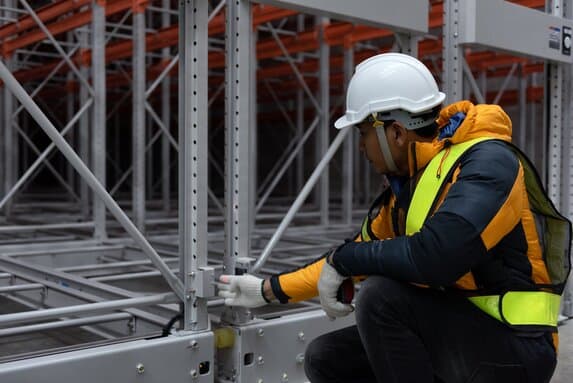
Rack Manufacturers Institute Inc. (RMI): The Rack Manufacturers Institute, Inc. (RMI) members are the Industry’s leading suppliers of Industrial Steel Storage Racks and Related Structural Systems. They supply industrial rack solutions worldwide and in virtually every major manufacturing and distribution sector. RMI was formed in 1958. Mission: To promote the safe and effective use of industrial steel storage racks and related storage and handling systems. Vision: Every rack system is designed, manufactured, and installed to meet the RMI Standards. Through guidance and education, help to ensure that rack systems are operated and maintained safely. A rack is a single or multi-level structural storage system that is utilized to support high stacking of single items or palletized loads. Racking systems are a fundamental component of any distribution, storage, or material handling operation. The right racks allow rapid access to stored or mounted materials, as well as a dependable, ergonomic product storage solution. Racking systems maximize facility space while simplifying inventory requirements. Pallet racks are among the most widely used type of storage solutions in heavy industry, shipping and manufacturing. Rack decking is manufactured in a variety of styles, from wire mesh to channel-reinforced steel decking. RMI Programs Include: RMI develops American National Standards for industrial steel storage racks and welded wire rack decking. RMI has drafted the American National Standards ANSI MH16.1 (for industrial pallet racks), ANSI MH16.3 (for cantilever racks), and ANSI MH26.2 (for wire rack decking) and certifies compliance with the standards via the R-Mark Certification Program. Product testing and R&D programs funded by RMI over the past 35 years have resulted in virtually all of the technical advances made within the U.S. Codes/Standards Community. RMI members prepare and conduct extensive educational materials and programs to create additional value for you as a user of industrial storage racks and related products. All RMI members are seated on the RMI Engineering Committee. RMI representatives maintain seats on a number of code and fire safety bodies to further assist in advancing the state of the art in rack design/application. RMI collects and disseminates reliable industry statistics. RMI believes that it is important to you that your supplier be committed to the principles of continuous improvement in both product design/application and in the highest Professional and Ethical Standards of Performance as embodied in the mission and work conducted within RMI.

Scan, Label, Apply, Manifest

Industry Groups: SLAM

Scan, Label, Apply, Manifest (SLAM): SLAM members meet regularly to discuss the industry and promote the best and largest possible market for end-of-line technologies and systems; emphasizing the best interest of the user. SLAM pursues this mission through planned programs and internal committees by: Working closely with user groups to educate and communicate needs, benefits and applications. Acting as a catalyst and liaison between different related product groups or associations. Maintaining a membership representative of the industry. Defining and evaluating best practices for the marketplace. Providing a market driven forum for end-of-line solutions. Collecting, compiling, disseminating and exchanging information which may be helpful to the membership and users. Preparing and distributing educational materials for both academic classroom environments and in continuing education. Mission: To be the authoritative resource for transforming today’s end of line fulfillment operations to address tomorrow’s challenges. Vision: To provide thought leadership for best practices within “the last 100 feet” of evolving warehouse and distribution operations.

Solutions Community

Industry Groups: SolutionsCommunity

Solutions Community (SolutionsCommunity): Solutions Community members are Industry’s thought leaders on automation, software, hardware, equipment and services that support a fully integrated supply chain. This includes suppliers, integrators, consultants, media, academia and users. They collaborate on solutions worldwide and in virtually every major manufacturing and distribution sector. The philosophy of the Solutions Community is to support MHI’s mission of providing a unique venue where suppliers of material handling equipment and technology can collaboratively work with the user community to improve the marketplace for all. All participants adhere to a safe harbor no-buy, no-sell environment to openly discuss topics of mutual interest, including best practices, lessons learned and other information. Goals of the Solutions Community include: Identifying, developing and disseminating forward-looking value propositions for Material Handling and Supply Chain practitioners; Identifying market trends and challenges in Material Handling and Supply Chain operations in order to develop timely and relevant solutions; Providing a forum for discussion of business and technology trends; and, Establishing strong connections between Members of the Group with the community of Supply Chain and Material Handling product and service providers, as well as organizations and individuals interested in Solutions Community activities; A basic tenet of the Solutions Community is to create a non-commercial environment that fosters networking, relationship building and the open exchange of information. Mission To engage and collaborate with suppliers, practitioners, and stakeholders in timely discussions towards supply chain solutions. Vision Inspiring evolutionary excellence in the supply chain through diverse stakeholder collaboration. Members meet regularly to exchange ideas and develop Information Systems solutions for Supply Chains. Solutions Community Programs include: Engagement on an ongoing basis with: The User community. Adjacent communities such as: Consultants, Market Research Firms, Vertical Market Organizations, supply chain associations, academia, and regulatory agencies. Developing educational and seminar materials for presentation to interested communities. Providing public relations outreach on behalf of MHI relative to solutions. Authoring solutions blueprints and white papers Proactively responding to media to positively share information with the marketplace and position ISSG. Establish thought leadership on how information system solutions support the U.S. Roadmap for Material Handling & Logistics.. Conducting surveys on technology trends and developments To enable organizations to achieve material handling and supply chain excellence by facilitating the delivery of meaningful, innovative and practical information.

The Robotics Group

Industry Groups: TRG

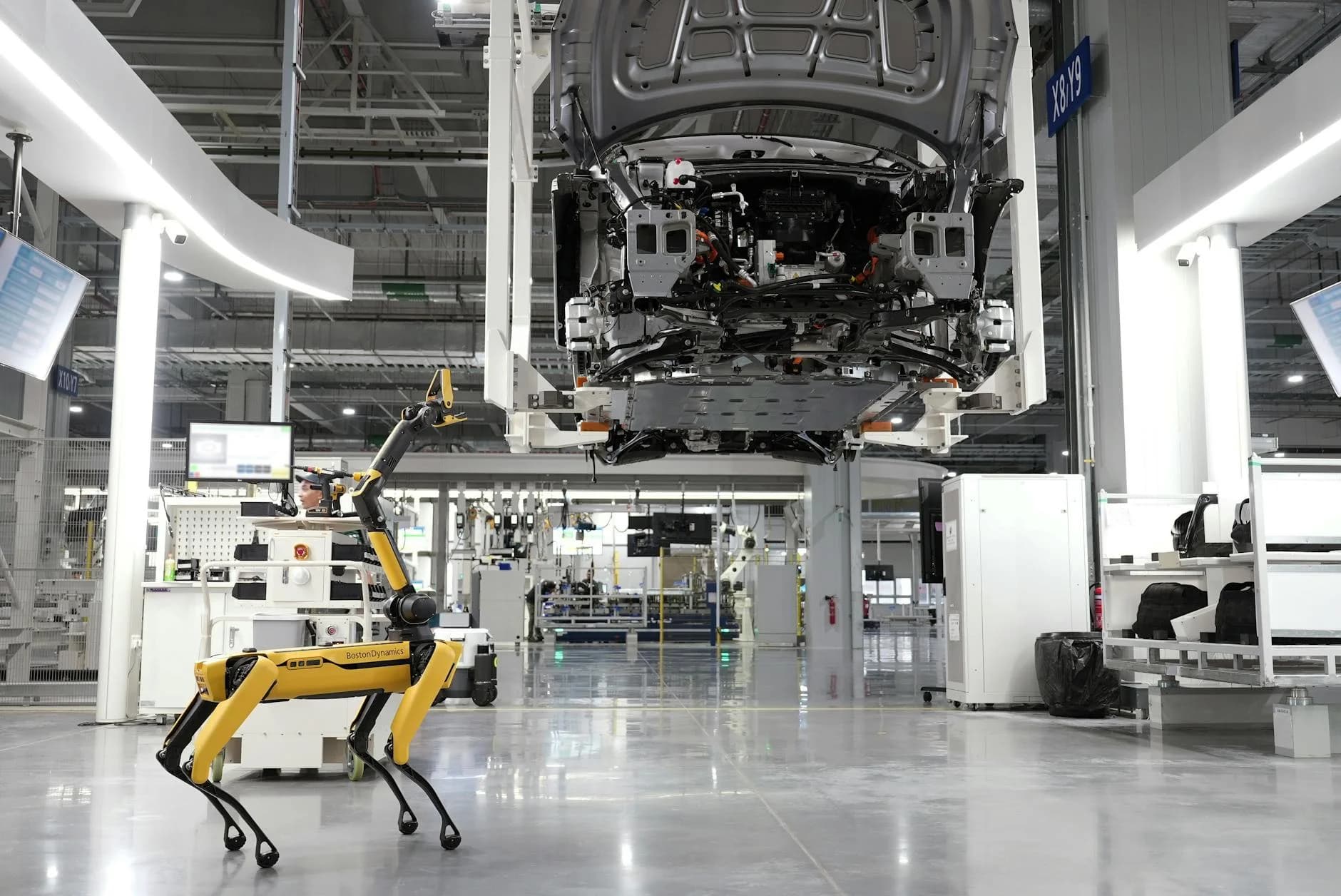
The Robotics Group (TRG): The Robotics Group (TRG) are leading manufacturers, integrators, consultants, and component suppliers of robotic solutions designed specifically for warehousing and distribution applications. Traditionally, industrial robots in material handling applications have been limited to palletizing/depalletizing, conveyor picking, or other highly-repetitive tasks. Technology advancements are creating opportunities for robots and automated machinery in a wider variety of applications, including warehousing and distribution center activities. TRG conducts education and outreach with the goal of fostering technology adoption in this rapidly changing industry sector. Mission Our team of technology leaders inspires user confidence and fosters the adoption of robotic solutions to drive efficiency in supply chain applications. TRG member companies meet regularly to identify methods of promoting adoption of robotic and automated solutions in material handling applications. We identify barriers to adoption and understand the voice of the customer while creating opportunities to encourage the transition of automated technologies to promote supply chain efficiency. TRG programs include: The development of educational and training materials; A voice in the development and maintenance of national and international standards; The communication of the benefits of robotic and automated solutions via trade shows, educational forums, and other national and regional seminars.

Warehouse Safety Blog

Industry Groups: EASE, PROGMA

Ergonomics Assist Systems Equipment (EASE): Ergonomics is more than a buzzword today - it is a movement. Nationally, our demographics confirm we are aging and in deteriorating physical shape. This impacts the workplace, and good employers must think of their businesses in terms of ergonomics. EASE is the group within MHI focused solely on making work easier for people by improving the work environment. EASE members promote the practice of good ergonomics in the workplace by providing solutions across a broad spectrum of applications and industries. Activities include presentations at various industry events and development of non-commercial training materials. EASE also engages and collaborates with NIOSH and the academic community to enrich the group and enhance presentations and training materials. Mission To be the authoritative resource for industrial ergonomics. Vision Establish the EASE brand as the definitive source for industrial ergonomics information. Be engaged in the industry conversation about ergonomics, particularly where it can suggest available solutions provided by member companies. Serve as a resource to the academic, governmental an industrial communities for solutions to ergonomic challenges that provide better human results and increased productivity.

Protective Guarding Manufacturers Association (PROGMA): The Protective Guarding Manufacturers Association (ProGMA) members are the Industry’s leading suppliers of fixed protective guarding products designed to protect personnel, equipment, and inventory in industrial facilities. Mission: ProGMA promotes safety, security, and guarding for people, products, and facilities. ProGMA educates about protective barrier and guarding solutions through industry standards and best practices. Vision Statement: To be the authoritative resource for the best practices, standards, and applications of protective barrier, guarding solutions and associated technologies for industrial facilities. Protective Guarding Manufacturing Association member companies meet regularly to review and discuss industrial safety hazards and to promote specific guarding solutions for people, products, and facilities. ProGMA programs include: Development of educational materials for the promotion of proper protective guarding methods. Development, maintenance, and publishing of industry standards and specifications. Promotion of the features, advantages, and benefits of properly used protective guarding equipment. Development and promotion of standard nomenclature for protective guarding products. Dissemination of information regarding relevant legislation and international trade. Development, review and revision of product standards. Confidential collection and reporting of market statistics for different types of guarding products. Protective Guarding is a fixed barrier or device, used in manufacturing, distribution, and other industrial facilities to protect personnel, equipment, and inventory from hazards present in the workplace. Protective Guarding items range from fixed objects installed around articulating equipment, machinery, or material storage areas such as safety fence, netting, guard rail, and bollards to specialized switches designed to stop machine operation as well as safeguarding through visual or auditory aids.


MHI Logo

8720 Red Oak Blvd., Suite 201

Charlotte, NC 28217

Follow Us

Follow Us on LinkedInFollow Us on TwitterFollow Us on YouTubeFollow Us on FacebookFollow Us on Instagram

Copyright MHI © 2026 | All Rights Reserved