
Flexibility vs. Predictability in Mobile Automation: What Facilities Should Really Be Considering
Warehouse Automation Blog
For many operations leaders exploring automation, the question often comes down to this: Do I need the predictability of an AGV or the flexibility of an AMR? It’s a fair question—but framing it as an either-or decision can be limiting.
As the landscape of mobile automation matures, so too should the way we evaluate it. The choice between Automated Guided Vehicles (AGVs) and Autonomous Mobile Robots (AMRs) shouldn’t hinge on the perceived age of the technology. Instead, it should be grounded in a deeper understanding of what your facility needs today—and how it may need to adapt tomorrow.
The Myth of “Old vs. New” Tech
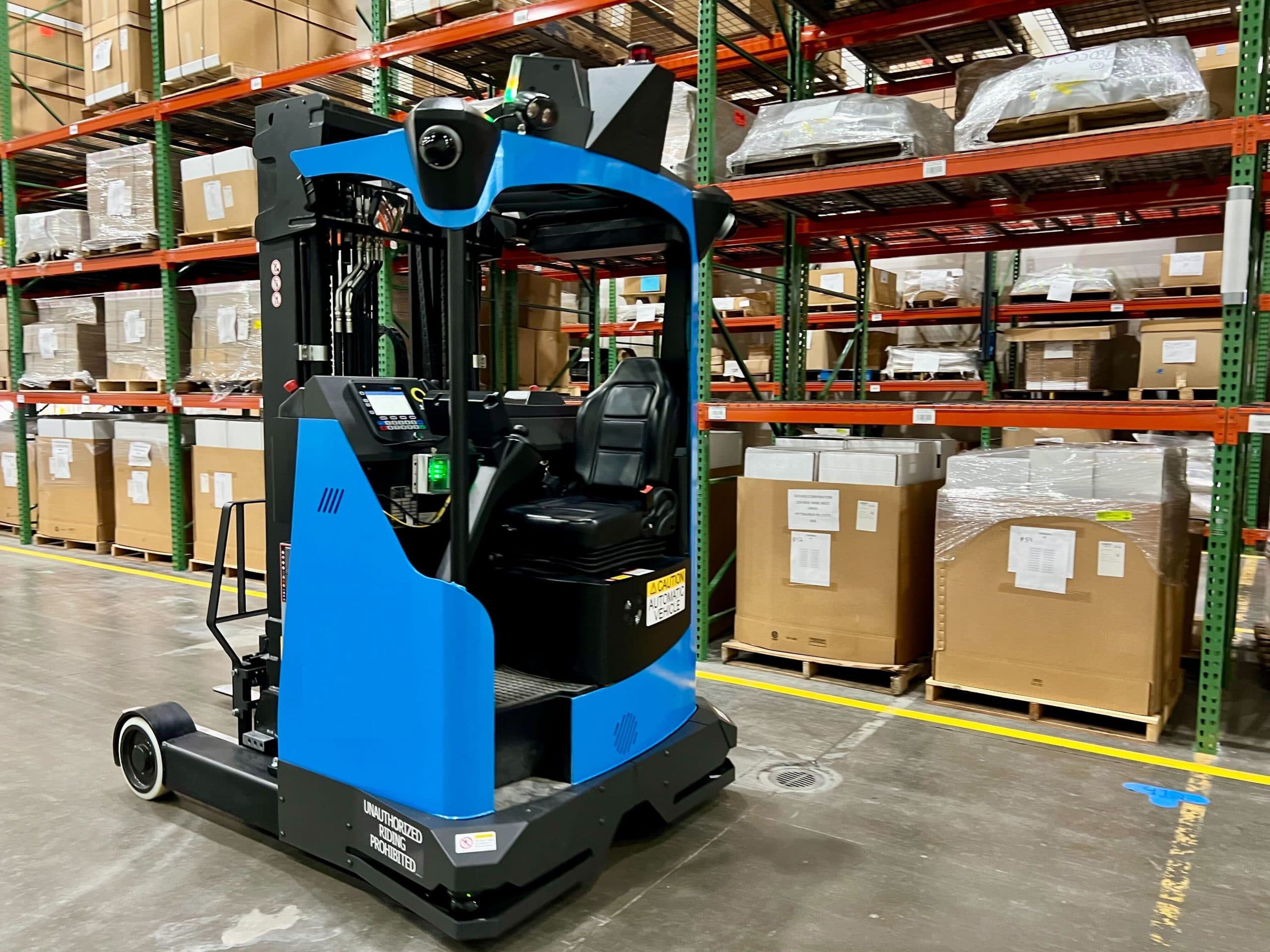
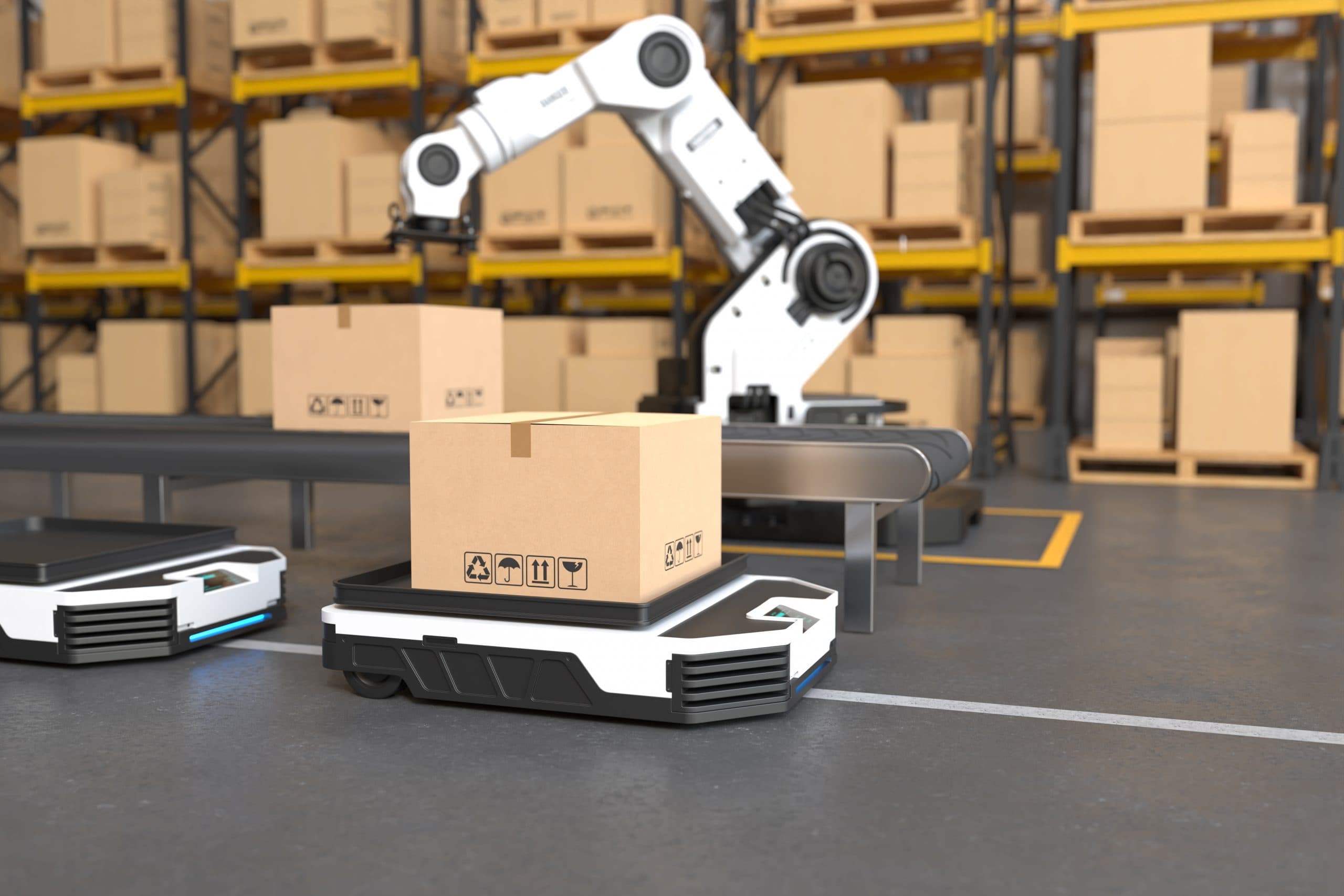
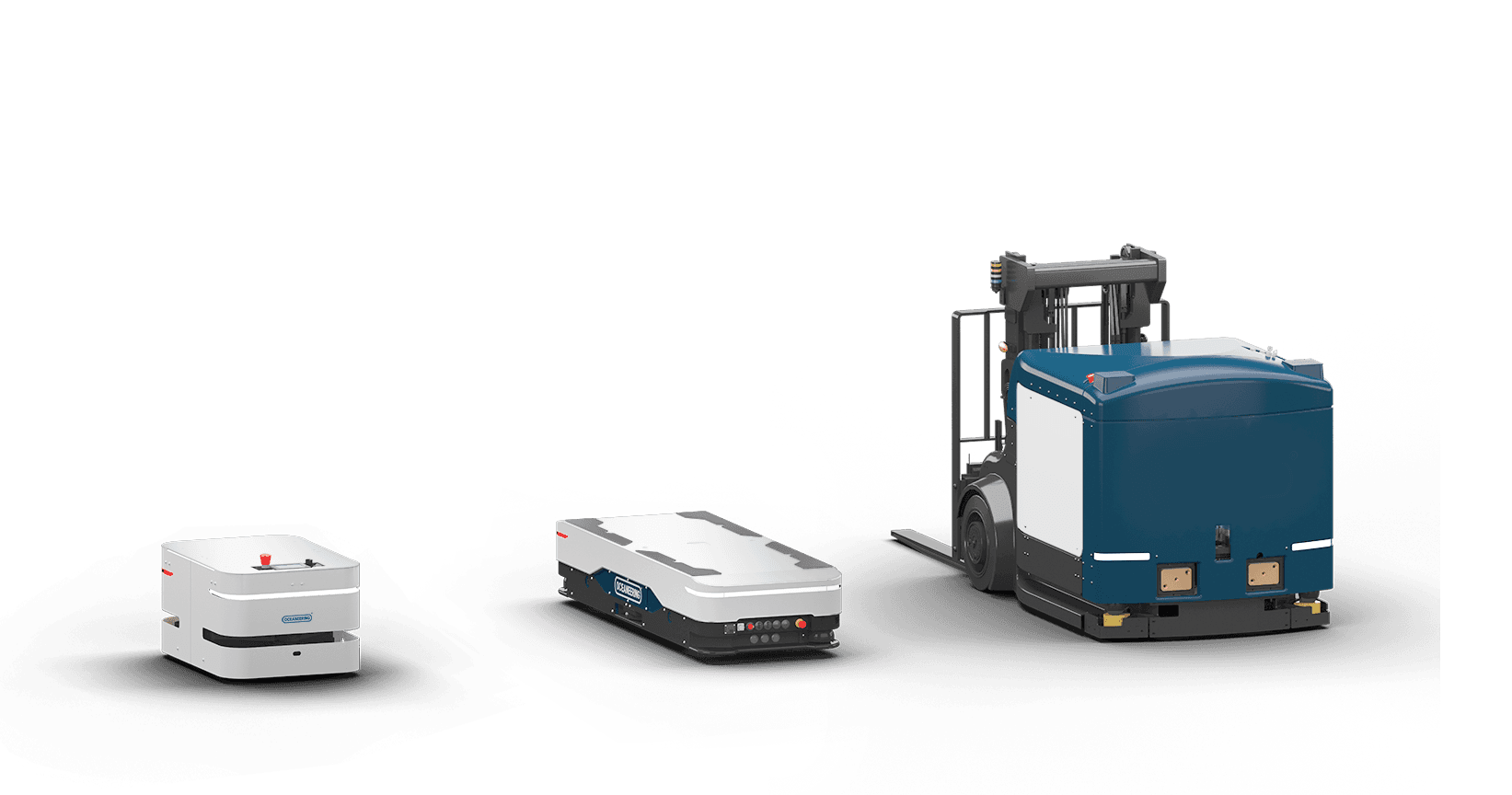
There’s a common misconception that AGVs are outdated while AMRs are cutting-edge. In reality, both have evolved considerably in recent years, and modern mobile robots increasingly blur the lines between the two. Some robots today are capable of performing like an AGV in one setting—following fixed, repeatable paths—and more like an AMR in another, dynamically adapting to changing environments.
Rather than focusing on labels, it’s far more useful to evaluate how your workflows align with the capabilities of each type of solution.
The Real Decision: What Does Your Application Require?
Every automation use case is different. Here are some guiding questions to consider when determining the right approach:
- Is the environment structured or dynamic?
If the task operates in a controlled space with little variability, a fixed-path system may offer the simplicity and consistency you need. - Will the workflow need to adapt over time?
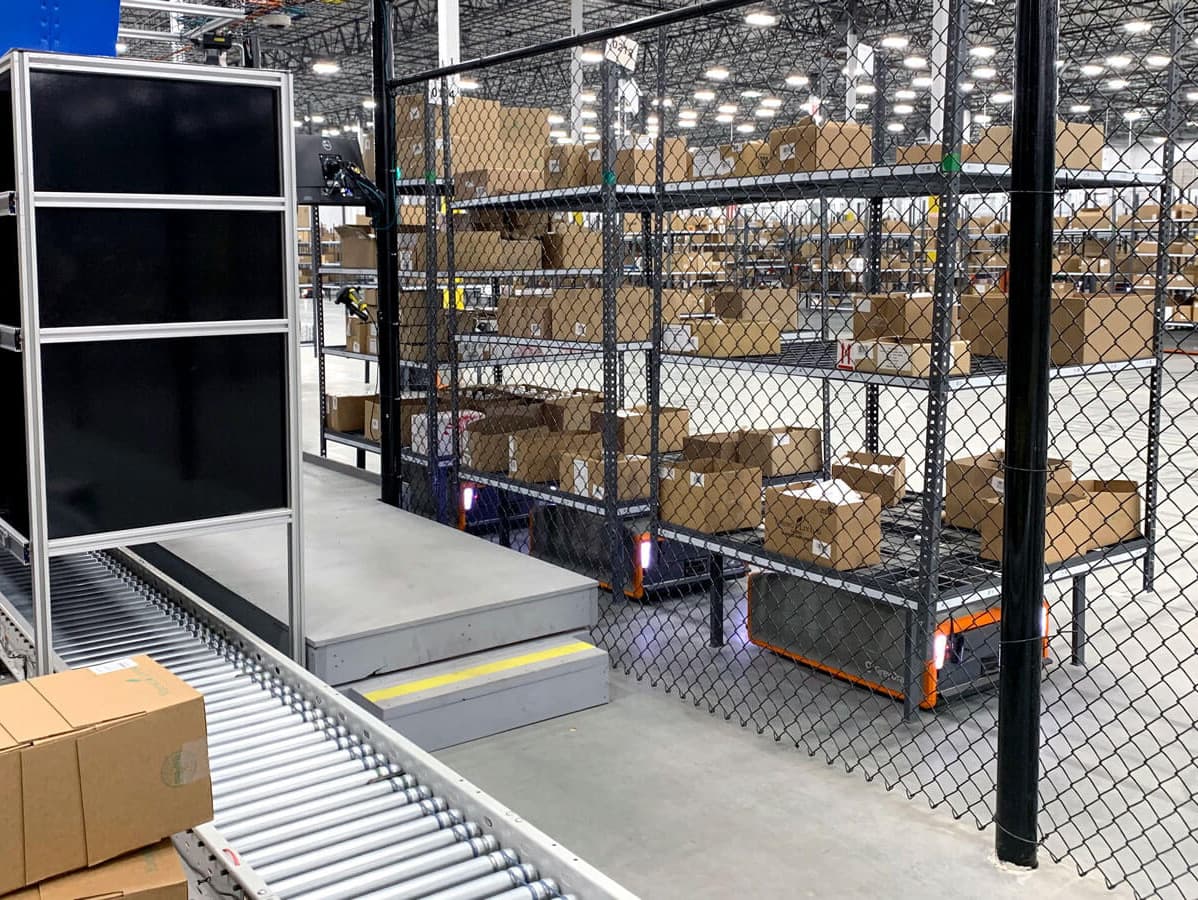
Facilities in growth mode or undergoing regular process changes may benefit from flexible navigation that doesn’t require costly infrastructure updates. - Are people, equipment, or other vehicles sharing space with your mobile robot?
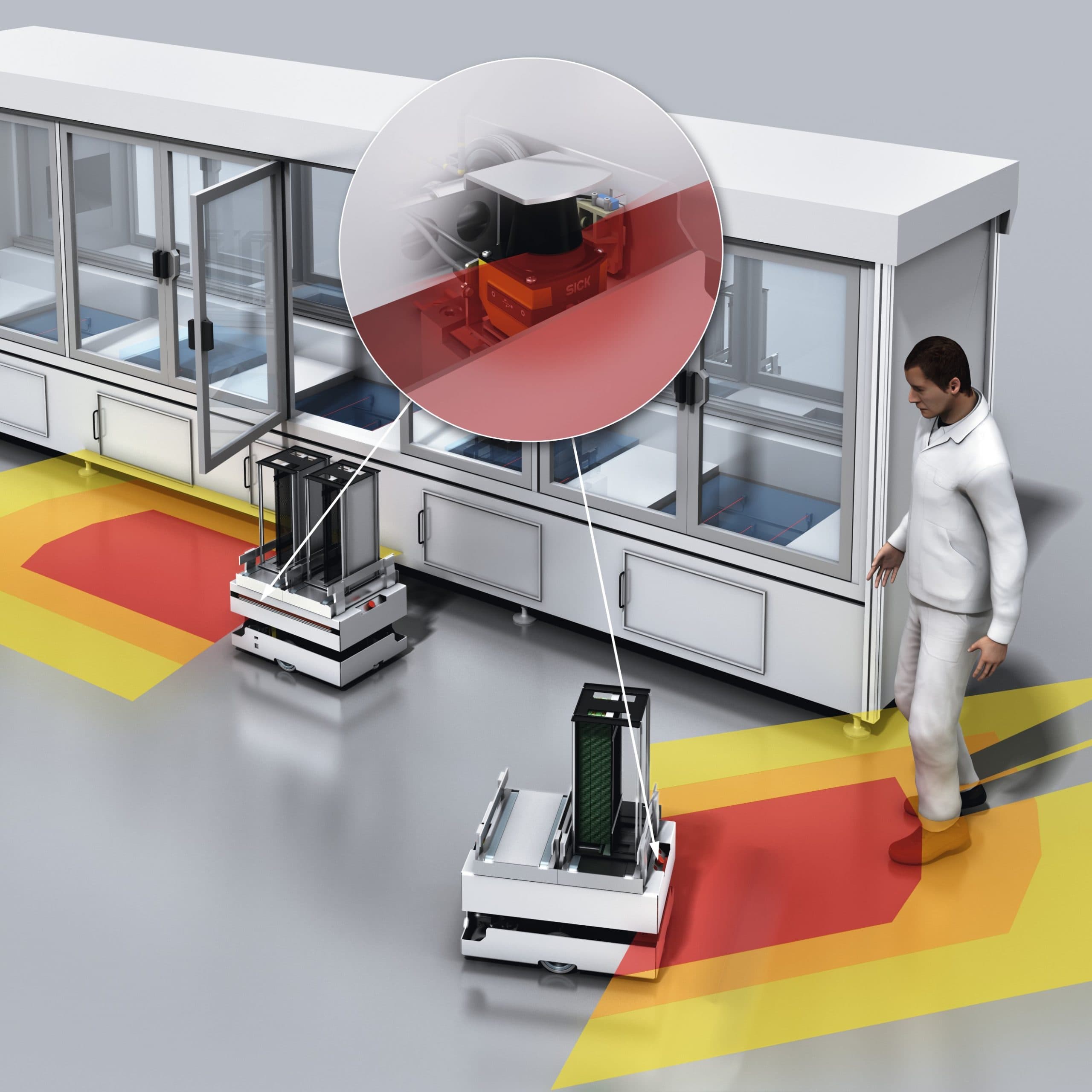
Shared environments call for intelligent perception and the ability to plan paths dynamically—hallmarks of AMR-like behavior. - Will safety protocols vary by area?
Some zones might demand more predictable movements (e.g., pedestrian-heavy areas), while others can tolerate more free movements with intelligent sensing.
Why Choose One Mode When You Can Use Both?
Modern mobile automation doesn’t have to be rigidly categorized. Many facilities benefit from a hybrid approach—where the same robot can perform with the precision of an AGV when required, but navigates with AMR-like flexibility when conditions call for it. This adaptability ensures the right balance between safety, efficiency, and ROI across different workflows.
For example, a mobile robot may:
- Navigate a fixed route when transporting high-value goods along the long haul,
- Then switch to dynamic routing to work within its designated staging area or buffer zone.
This kind of operational range of capabilities empowers facilities to solve today's automation challenges—and future-proof their systems for what’s ahead.
Key Takeaway: Start with the Workflow, Not the Label
The best autonomous solution isn’t defined by whether it’s called an AGV or an AMR—it’s defined by how well it serves your use case.
In some areas of your facility, a highly predictable, fixed-path workflow might be exactly what’s needed. In others, flexibility and adaptability might be critical. The most successful long-term autonomous strategies take this into account and deploy solutions that are capable of meeting a variety of needs—not forcing all workflows to conform to a single mode of operation.
So instead of asking “AGV or AMR?”, ask:
- “How much variability exists in this workflow?”
- “Will we need to scale or adapt this operation later?”
- “What level of navigation intelligence is necessary for each area where we’ll be implementing mobile automation?”
The answers to those questions—not industry labels—will guide you to the right solution for your needs.
To find out more about MHI’s MAG Industry Group: https://www.mhi.org/mag
For further articles/podcasts from MAG:
Enhancing Safety and Ergonomics Through Automation
Good Fences Make Good Neighbors – Why to Consider Fencing with your Warehouse AMRs
Lessons Learned from Implementing Mobile Automation
The Evolution of AGVs and AMRs
Common Misconceptions with Mobile Robotics
Cybersecurity and Your Robotics
Essential Sensors for Safe AMRs
- #Blog
- #MAG
- #TRG
- #Automatic Guided Vehicle (AGV)
- #Autonomous Mobile Robot (AMR)
- #Flexible Automation
- #mobile Automation
View more blogs by:
Related Content
BLOG
Working in Harmony
BLOG
Good Fences Make Good Neighbors – Why to Consider Fencing with your Warehouse AMRs
BLOG
The Evolution of AGVs and AMRs
BLOG


