
Making the Case for Upstream Condition Monitoring to Increase Reliability
Upstream condition monitoring does more than prevent breakdowns. See how it boosts reliability, cuts downtime, and optimizes throughput.
By SOLUTIONS COMMUNITY
Updated:
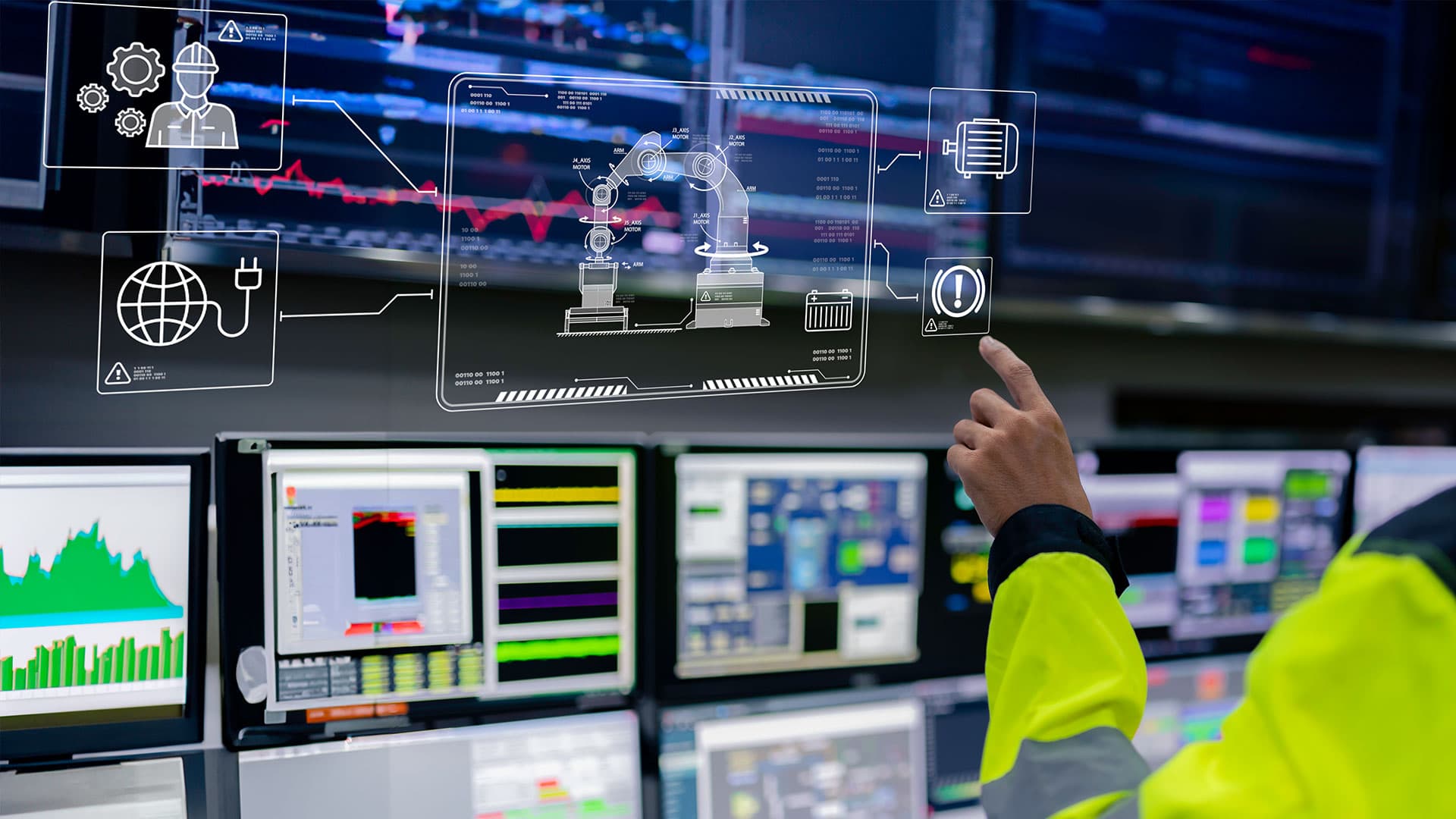
The goal for most warehouses and distribution centers is zero down time on machinery. The way to get there is with condition monitoring and reliability systems or CM&R. Industries typically use this type of system to monitor conveyors and sorting equipment for maintenance. It lets operators know if a motor is running too hot or if a belt is vibrating allowing maintenance teams to fix these issues before they become a problem, leading to less downtime.
While CM&R systems are important, facilities often limit themselves in how these systems are used. If you confine these systems only to equipment maintenance and repair, you’re not getting the whole picture of how your facility works. Imagine a condition monitoring system that can identify the highest risk areas of the sortation system and monitor them to keep lanes running smoothly. Imagine a system that not only alerts you to maintenance and repair needs, but alerts leadership so that they can redeploy assets and people to clear critical areas before an issue gets worse. What if it could help with automation system optimization or manage the peaks and valleys of distribution and shipping? What if it could add an extra 10 percent to your center’s productivity? Now that we have your attention, let’s see how upstream condition monitoring can help your business.
Seeing What Can’t be Seen
Like fish in a river, you can’t always see every part of your material handling system, especially upstream. Upstream condition monitoring requires businesses to identify all the critical pain points in their automation systems and add monitoring systems to these points. These areas are typically locations such as loading zones, anywhere conveyor lanes merge, no read/recirculation lanes, and offloading areas. Depending on the size of the facility, type of system(s) used, and products put into the system, some business may have several pain points, others only one or two. All of these areas can be monitored with sensors and cameras to let leadership know when an area is getting overloaded or if an area is empty when it shouldn’t be. If you don’t know where the problem is, how can you fix it?
For example, retail distribution centers often have multiple docks receiving product from different parts of the country and multiple offloading and shipping areas where items get sent to different stores. If outbound shipping can’t keep up with what’s coming in, the whole system breaks down. Upstream condition monitoring allows managers to adjust the entire system. For example, managers can deploy more people to outbound to help keep up with the receiving, or managers can tell receiving to slightly slow down to match what outbound is doing. While slowing down sounds counterintuitive, if input matches output, you’re maintaining throughput throughout the system leading to more overall efficiency.
Another area where additional upstream monitoring can provide system optimization is recirculating or “jackpot” lanes. Jackpot lanes work as a catch-all where products or boxes that can’t continue through the system for one reason or another have a specific place to go thus preserving the main lines. Recirculating lanes provide an extra lane for items that don’t exit the system properly allowing for someone to handle then before returning to main lane. These lanes are important because they remove items that take up the space another item could be occupying.
Examples of items that need a way out are boxes that don’t have readable bar codes labels or no label at all (also called “no read” lanes), as well as damaged items or odd-shaped items that are too big or too small for the system. It’s important to get these items out of the sorting system for human staff to reroute so the main system can continue operations. Condition monitoring these areas allows managers to receive an alert when a jackpot or recirculation lane approaches capacity, so managers can proactively discover if a label printer isn’t working or if items are getting damaged somewhere else on the line. By catching these changes early, they can often be fixed without stopping the whole facility.
Making the Case for Upstream Condition Monitoring
Before your facility’s pain points cause problems is the time to invest in additional upstream condition monitoring. While it requires an additional cost, the peace of mind it provides and the boost to your facility’s reliability are worth it, especially because ROI hurdles are lower. These additional monitoring systems provide facility leadership clear feedback on where products are at in the system and how systems react to those products in real time.
To optimize reliability and lower downtime in your facility, instead of spending money buying more equipment or hiring more people, invest that money in upstream condition monitoring and reliability systems to make the most of what you already have.
Contributed by: Bruce Muir
Reviewed by: Solutions Community Condition Monitoring & Reliability Committee
Industry Groups
- Solutions Community


