
Don’t Bring Me Down: Mitigating Downtime in Brownfield System Integration Projects
SOLUTIONS COMMUNITY

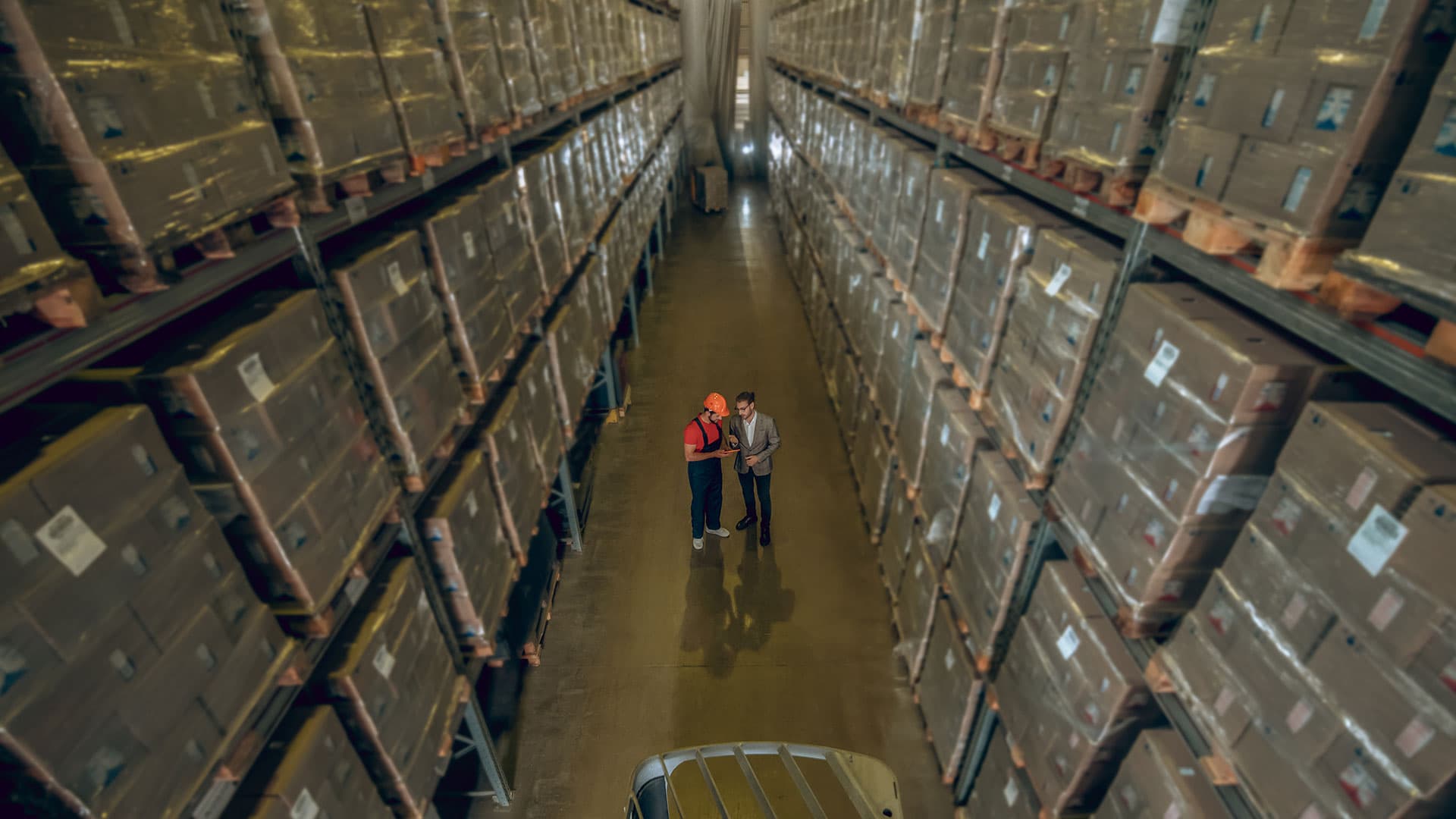
It’s time. Your existing warehouses and distribution centers need system integration to operate more effectively, but you’ve been putting it off because you don’t want the installation to affect regular operations. No worries because MHI’s Systems Integration Group members have ways to mitigate downtime and lessen the impact of system integration on existing warehouse operations. While every business and installation is unique, here is an overview of the techniques integrators use to keep your business going while updating systems to compete in today’s material handling industry.
What is a brownfield?
A brownfield building is a warehouse or distribution center that is already built and operating. In contrast, a greenfield is brand new construction. If building a new warehouse from the ground up, system integration comes more easily because it can be built into equipment and systems from the start. Brownfield projects involve retrofitting or upgrading those systems into existing programs and equipment. The risks from poor implementation are much higher in a brownfield project, because if the implementation does not go well, existing customer orders–and thus revenue–will be negatively impacted. However, there are several ways to ensure a smooth implementation that lessens the impact on existing operations.
What are the impacts?
The two biggest impacts are operational downtime and labor management. For operations, even if there isn’t direct downtime, there will be slow downs, interruptions, and reduced throughput during the process. There will also be labor disruptions as staff need to be trained on the new software and involved in system testing.
Note that for projects that are strictly systems integration, the impacts of installation are significantly less than installing new or adding additional equipment. That’s because you’re working with computer software instead of heavy machinery, but operations will still be impacted in order to install and test the integration. However, these techniques will work if system integration projects also include installing new or updated equipment.
Integration Preparation – Getting Started
Implementations can be incredibly invasive to a brownfield operation, generating more risk than they do in a greenfield operation. What you do before the integration will largely define the success of the system and its impact on operations. Bringing in a system integrator to identify the opportunity and evaluate your operations before integrating is one of the most valuable investments you can make. Here are some phases a system integrator will support prior to integration that will help mitigate downtime and operational impact.
Assessment Phase
System integrators will start by assessing and reviewing existing operations to learn what your warehouse functions are, how these operations flow, and where the bottlenecks are. They will also interview your staff to learn what the business needs from the integration so they can design the system to meet your exact warehouse needs. While this doesn’t involve downtime, integrators are on site for the assessment.
Remember, the goal of integration is to enhance warehouse operations, not to repeat what has already been done. The assessment period allows integrators to learn what works and what doesn’t so they can design the most appropriate system for your warehouse.
Build/Design Phase
System integrators are vital to creating the most appropriate system design for your warehouse operations. Beyond just integration design, the system integrator’s role is to identify and design the right functionality in the software to optimize material flow and increase efficiency through your entire facility. This approach broadens the system design lens from purely an IT initiative to an operational initiative. System integrators will partner with the software vendor to make sure the software that is installed (and that you paid for) is appropriate for the warehouse functions you use, and that the right modifications and extensions are in place to drive the most ROI and productivity gains. This is especially important because each piece of equipment has its own software and all of it needs to work together. Integrators ensure the overall design links every program and process.
Communication Phase
One of the most critical mitigation aspects is communication with both your employees and your customers. Employees need to be involved from the beginning, not just so they know when things are happening, but so they can become invested in the process. They need to know why management is making these upgrades and how systems integration will make their work easier and more effective. Communication is also a two-way street. Employees involved in the specific operations being integrated can provide beneficial input on what processes need improvement and provide feedback on the systems being installed.
Customers need to be informed so they can plan accordingly. They need time to prepare if deliveries will take longer or if orders won’t be filled regularly. Communicating with customers can also help warehouses mitigate downtime. For example, encouraging customers to order in advance or to order extra inventory to get them through until regular operations resume will help warehouses manage any issues during integration.
Learn Phase
System integrators will run evaluation tests, like user acceptance testing (UAT) and volume testing, on the design before they are installed to ensure programs work as intended and to get an idea of what to expect during operational testing. This is meant to test critical functionality and integration to upstream systems to ensure everything operates as designed. During UAT, they will define the ideal paths and processes for the system to take, then identify exceptions to prepare for other scenarios. This will ensure that the system is prepared to operate as intended once installed. Volume testing reduces latency issues by putting high levels of pressure on the system in multiple scenarios to test its ability to keep up with significant volume. This is important for making sure the system doesn’t cause bottlenecks during peak season.
The learn phase isn’t just about testing the software. System integrators will also support educational initiatives with your warehouse associates, teaching them how to use the new system and ensuring they’re fully prepared for rollout. For example, some integrators will help set up a mock warehouse, where associates can run scenarios, scanning and picking product to practice interacting with the new system. Doing this stage well plays a big role in increasing throughput and reducing operational issues after go-live.
Downtime Mitigation During Installation
More Testing
Once the software is installed, it’s time for testing, testing, and more testing. Ideally, systems will be tested under a variety of operating conditions to ensure programs run smoothly for all warehouse functions and environmental possibilities. How does it run at full speed? How does it run during peaks versus non-peak? Do the inbound and outbound sides work together? Everything needs to be tested and retested at full volume and speed.
More Communication
Communication with employees and customers during installation is still important. Employees need to be prepared for process changes and customers need to know when their orders will be filled. Again, this communication isn’t just important for the operations side, but for the integrator side. Managers and customers can let integrators know if important peaks are approaching so testing and evaluations can be planned before or around these events. Managers should also communicate to their employees if overtime will be required to meet demand during the installation period.
More Staffing
Even after setting overtime expectations, most operations will need to have additional staffing to accommodate for a portion of the operators being tied up with installation and testing projects. While some staffers assist with testing, additional staff can work in regular operations to keep the warehouse functioning as close to normal as possible.
Training Phase
Staff training is vital for smooth integration before going live. Managers need to build in training time and have additional staff on hand to assist with operations while training takes place. Sufficient training is important because it ensures staff are comfortable operating the new systems, which not only helps with employee buy-in, but for returning warehouse operations to normal faster.
Integration Execution – Additional Mitigation Strategies for Going Live
You and your integrator have approved the design, installed the system, tested at every step, and communicated effectively so your customers are prepared and your employees are invested. It’s time to go live. In brownfield operations, go-live comes with the added complexity of continuing to run the business while implementing the systems. While there’s never a way to guarantee there will be no bumps in the road during go-live, you can increase your chances of success with these additional strategies.
Shift Volume In Your Network
While operations will need to continue during go-live, reducing order volumes where possible can ease the load on your operations and ensure customer service levels remain achievable. In some cases, that may mean moving order volume to other warehouses in your network to lessen order volume during go-live.
Use Your Network
For companies with large regional or national warehouse networks, one strategy is to upgrade integration systems in your smallest or least vital warehouses first. Not only will this help avoid downtime across the system, it allows troubleshooting of the new system in a lower volume environment before installing in the higher volume buildings.
Shifting Shifts
This strategy involves making up for downtime by moving order volume and inventory to other shifts or adding a shift, if necessary. If daytime is your busiest for order fulfilling or if overnight is when you restock, move those tasks to other shifts. Schedule inbound and outbound shipments for days or times when troubleshooting isn’t happening. Add an extra shift or shifts if necessary.
Temper Expectations to Avoid Let Downs
Rarely – in warehouses and in life – does everything go smoothly. Everyone involved needs to understand that there will always be issues that crop up and bugs to work out, which leads to some amount of downtime. However, working with an experienced MHI systems integrator to put these mitigation strategies in place will increase your chances of success and avoid the let downs of warehouse downtime.
Contributor: Bo Thomson, enVista
Reviewed by Solutions Community Systems Integrator Committee
- #Warehouse Automation
- #Automation Implementation
- #brownfield
- #integration
- #warehouse design
- #Systems Integrators Committee
View more blogs by:
Related Content
BLOG
Brownfield Integration Challenges in Warehouse Automation

BLOG
Please Allow Me to Introduce Myself – Systems Integration Group

BLOG
Types of Automation Integrators

BLOG


