
Making Space: Preparing for Brownfield Automation
Automated Storage and Retrieval Systems
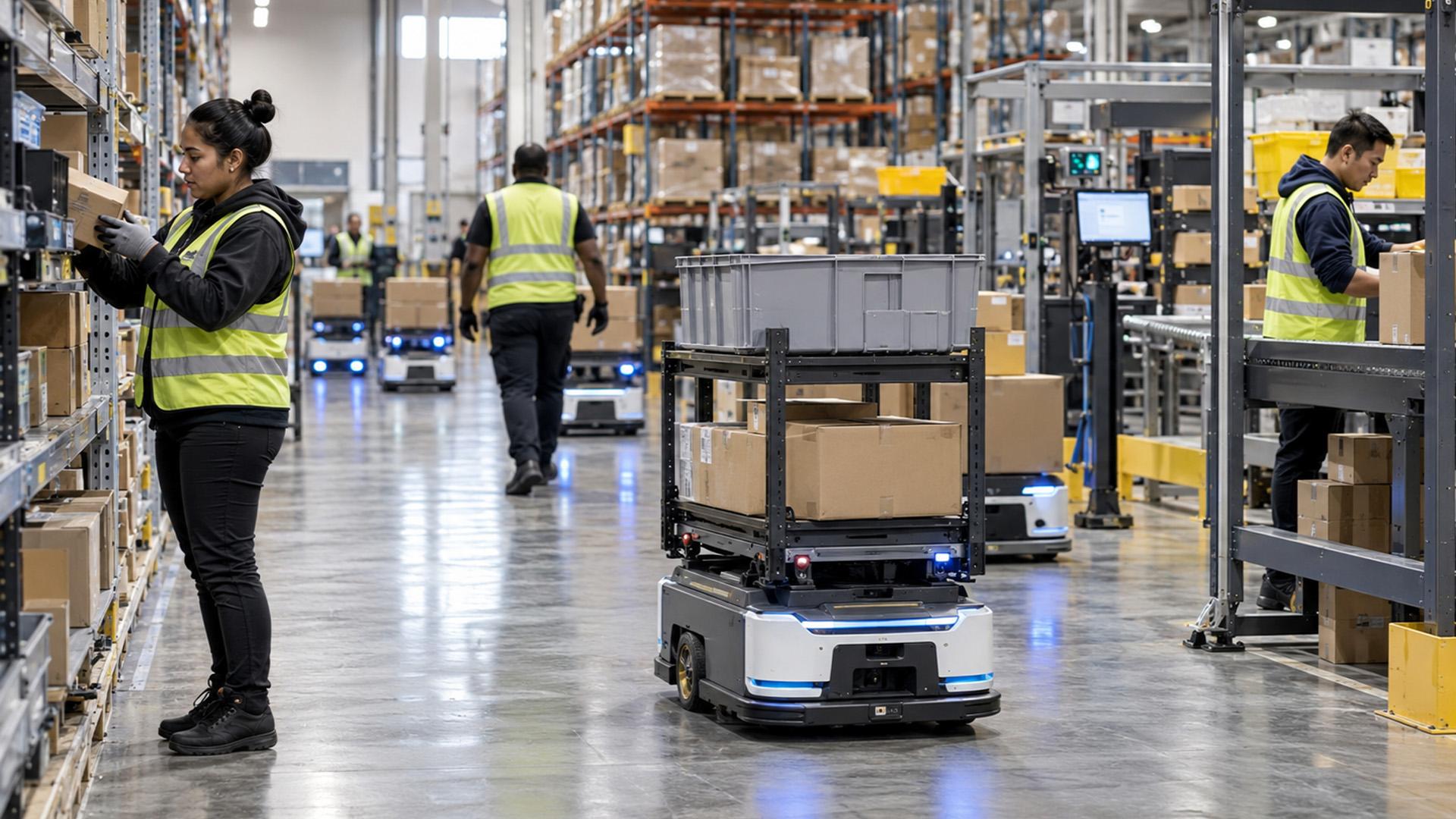
Brownfield facilities present a unique set of challenges when implementing new or upgraded automation. Brownfields are defined as existing buildings, such as warehouses or distribution centers, that are already built and operating. This is in contrast with greenfield facilities, which are brand new construction. While it can be a challenge to install automation in older buildings, proper preparation can make it successful. The key is for businesses to approach automation installation as an opportunity instead of an inconvenience and knowing that preparation is twofold – you not only need to prepare the space, you need to prepare the company.
Preparing the Company
When approaching any new project, the key to success is preparation and preparing for automation starts long before the equipment is installed. It starts when the company first begins researching automation options. Companies should never add automation for automation’s sake. Companies need to create goals and decide outcomes to understand what they want the automation to do for them. What problems does the company want to solve? Faster throughput? Reducing labor costs? Increasing inventory density? All the above?
Companies considering automation in their existing facilities also need to view this preparation phase as an opportunity. Examine the facility and existing operations to find where the pinch points are and what processes can be revamped or possibly scrapped altogether by adding automation. Adding ASRS to an existing facility is more than just installing equipment; it’s a change in mindset.
Companies also need to get everyone who has a stake in the new system involved in the preparation process, from executives wanting high ROI to finance departments wanting to lower costs to maintenance departments that have to care for the equipment to the IT departments overseeing new software to the operators who will be running the applications. There are a lot of players involved, and they all need to be included from the preparation phase up until system switchover.
Preparing the Space
When it comes to preparing the physical space for automation, there are three main things that need to be evaluated during the preparation phase: Electrical, Flooring, and Housekeeping.
Electrical
New technologies have their own electrical requirements, and those requirements need to be aligned with OSHA electrical safety standards. The OEMs that make these systems also have electrical requirements that may differ from company to company. That means both the company and the vendor will go over the building’s electrical systems to ensure enough power and power sources are available to run the automation.
Not only does the building need enough power, but that power needs to reach all the components in the system, and ASRS components often reach to the building’s ceiling. These and other electrical evaluations are extremely important for older facilities and may require significant upgrades to the building’s electrical infrastructure before automation can be installed.
Flooring
ASRS systems have many moving parts, including mobile robots and autonomous vehicles (AMRs). To properly operate these types of components, facilities must have smooth, flat floors. In brownfields, perfectly flat flooring isn’t always a given. Depending on the building’s age, it’s possible that buildings that have sunk over time, creating dips or cracks in the floor. Wear and tear from other vehicles and equipment, like forklifts and carts, or even people walking the same path for years can damage warehouse floors. As warehouses expand, additions to existing buildings may have created steps or uneven sections that make navigation between these areas difficult.
Another issue is if the existing floor can hold the weight of the new equipment. Testing will be done to ensure the flooring can withstand the weight of an ASRS, and if not, improvements to the floor will need to be made before installation.
Housekeeping
There is a direct relationship between good facility housekeeping and long-term equipment functionality. Oftentimes, vendors evaluating brownfields can tell immediately if a facility is a good candidate for automation based on how clean the warehouse is. Warehouses that don’t have regular cleanings are setting themselves up for early equipment failure and constant part replacements.
Dust and liquids can seep into equipment, rusting joints, clogging ball bearings, and making floors and conveyors sticky. Many warehouses rely on carboard boxes for shipping, but cardboard produces dust that can coat everything in the facility. Warehouses that handle liquids, such as food products, beverages, or soaps are bound to have spills that can make floors slick or sticky or leach into mechanical parts. This causes the parts and equipment to fail, requiring repairs and replacements much earlier than the equipment typically should. If businesses want their investment in automation equipment to last 15-20 years, then cleaning needs to be a regular part of facility management.
Find a Partner, not Just a Vendor
Remember, businesses don’t go it alone when assessing the ASRS needs of the company and the physical aspects of a brownfield facility. A reputable ASRS provider will ask the right questions, organize and educate those directly involved, and perform testing and evaluations to ensure a brownfield facility is ready for ASRS installation.
That’s why companies also need to do their part and research the vendors they hire. That requires a lot of due diligence, but that effort will pay off by hiring a trusted partner that will work with the business to find out what the goals are and what types of ASRS would work best in that specific facility. Automation installation and implementation can take months, sometimes a year, depending on the size and age of the facility, so businesses need to find a vendor that isn’t just a supplier, but a long-term partner. A vendor who is a partner has a vested interest in these projects and wants them to succeed as much as the companies do. That’s because project success can lead to warehouse success, more business expansion, and the opportunity to work together again in the future.
For members of MHI’s ASRS Group, being part of a company’s success, especially companies new to automation, is why they do what they do. Contact a member company today to find out how they can help prepare your brownfield facility for automation.
Contributor: Coleman Roche of Swisslog
- #brownfield
- #Autonomous Mobile Robot (AMR)
- #OEM
- #OSHA compliance
- #Automated Storage and Retrieval System (ASRS)
View more blogs by:
Related Content

BLOG
Add it Up: The 5 Calculations of ASRS ROI

BLOG
ASRS Integration
BLOG
As Good as New: Installing ASRS in Existing Warehouses Pays Off Over New Builds

BLOG


