
Maintenance: Life Beyond the Install
SOLUTIONS COMMUNITY

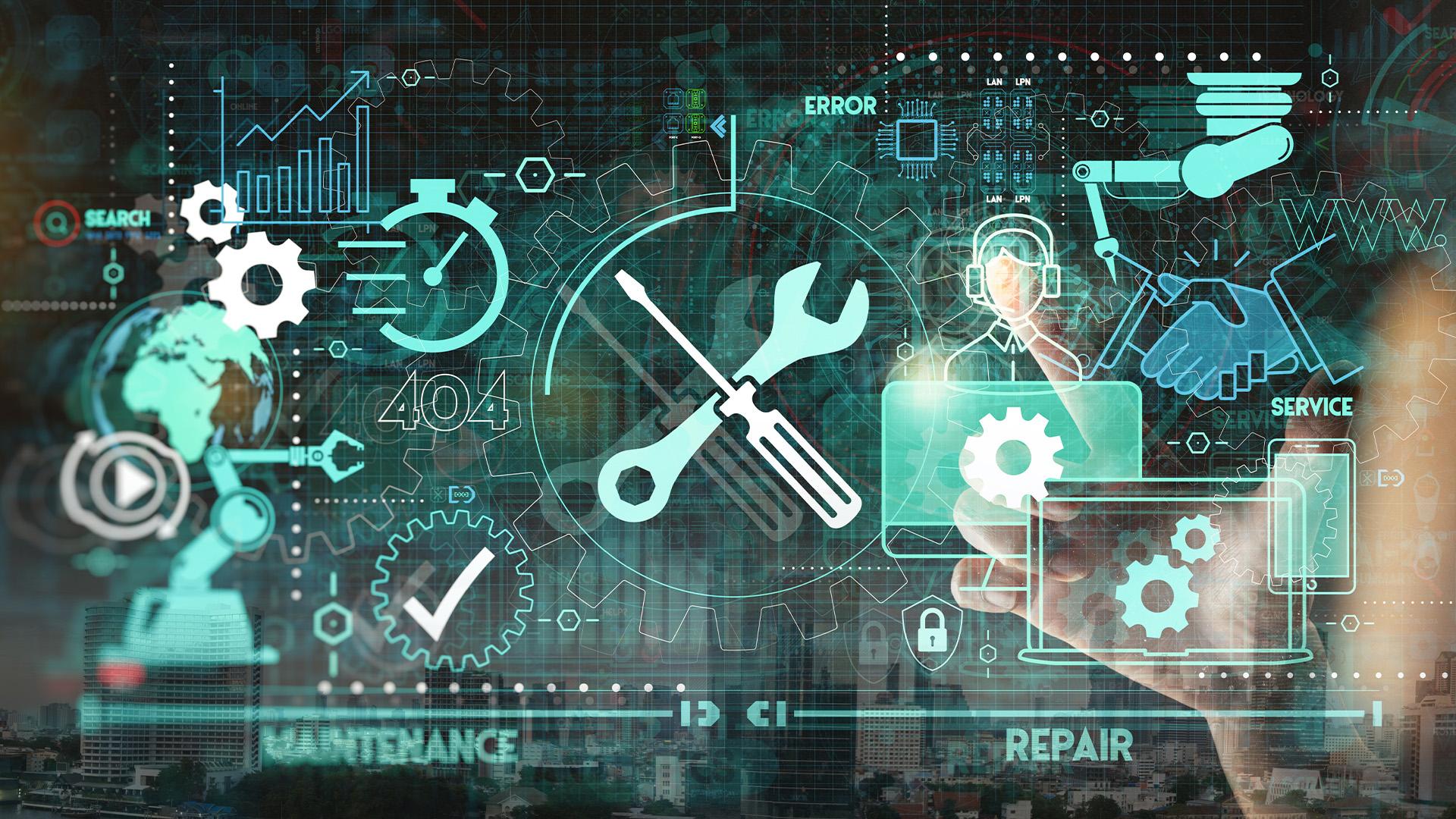
Implementing automation is only half the journey.
Months of planning go into an automation project, followed by months of installation and implementation. Finally, the day comes to go live. While that might seem like the finish line, it’s far from it. Your automation investment should last for years into the future. Without a well-planned maintenance strategy, you risk preventable issues that can impact performance and reliability down the road.
To determine what that maintenance plan should include and the resources you’ll need to carry it out, you should begin having maintenance-specific discussions with your integrator long before going live. Schedule dedicated time with your integrator partner to define full scope of maintenance, from preventive to emergency support, and everything in between—and document it in your Statement of Work (SOW). This helps set clear expectations and reduces the likelihood of surprises when you begin using and maintaining your new system
As you formulate your new maintenance plan, start by assessing the internal resources available to support the efforts outlined that are needed. Along with that, assess your team’s capabilities to determine whether anyone on your staff has the skills to handle the new system’s mechanical, electrical, and software maintenance needs.
Once you have made that assessment, you’ll know how to identify staffing gaps and training needs. Existing maintenance staff will also likely need comprehensive training on the new system, so allow enough time to complete this before going live.
Training, however, is only one piece of the equation you also need to define what service levels and response times will be required to keep your system humming. If your internal team lacks the capacity or skill set to meet those needs, you’ll want to have a conversation with your provider or integrator to address the gaps.
How much you will need to lean on your integrator, or manufacturing partner, varies but as a good partner, they general expect some ongoing involvement with the system and/or your team. Have that conversation early on and understand what value they can provide, and at what cost. If you are unsure of the cost of support when having discussions, a good rule of thumb is to compare the cost of support with the potential cost of downtime, partially unplanned downtime…that should help provide clarity on decisions needing to be made.
Spare parts for your new system are another piece of the maintenance equation. Look at this as a business decision, not an inventory decision. You will not need to keep every spare part on site—that’s expensive and unnecessary.
What you do need on hand, however, are the critical components which can be determined if their absence could prolong your systems downtime. Together with your integrator partner, assess which components to stock on site, which can be sourced quickly, and which are available through your service agreement. An early discussion with your integrator is essential to establish a clear parts strategy before problems arise.
Additionally, assess specialized support is needed and establish an escalation plan for issues beyond your internal team’s expertise. Along with your vendor, determine who “owns” what aspect of the maintenance plan and align expectations prior to an issue. Sometimes, troubleshooting might involve multiple vendors—consider having your integrator coordinate the effort to reduce delays. Document these arrangements long before the time you need the support.
If possible, equip your internal team to handle the minor repairs and preventative maintenance. Getting in a queue for outside support can be time consuming and extend your downtime, while a well-trained team in-house can address issues promptly and help prevent them from escalating.
Finally, remember that reliable data is equally important in all of this. Track key metrics like the uptime of your system and establish a baseline for optimal performance to help detect early signs of trouble. Make sure that your internal team can recognize a slow decline in system performance, investigate the cause and take action before a potential failure occurs.
A well-defined maintenance plan supports the ultimate goal: consistent, reliable system before.
For more information or to find a reliable partner, visit MHI’s Solutions Community online.
Contributor: Katie Drennan, Savoye North America
View more blogs by:
Related Content

BLOG
Building a Reliability Centered Maintenance Culture

BLOG
Knowing When to Replace Warehouse Automation Equipment
BLOG
Post-Installation Training for Warehouse Automation

BLOG


