
Follow Us


Copyright MHI © 2026 | All Rights Reserved
Mitigating downtime in brownfield system integration starts before installation. See how assessment, communication, and testing keep operations running.
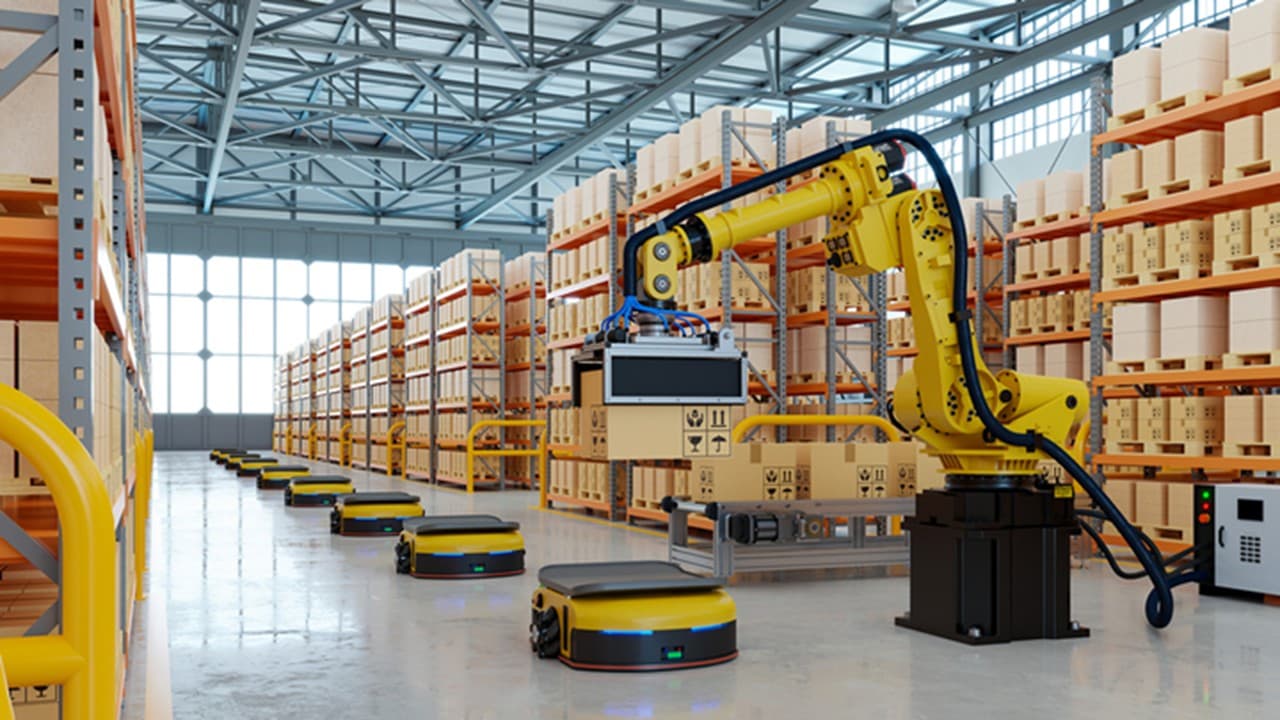
MODEX 2026 Session RecapAs autonomous mobile robots (AMRs) and automated guided vehicles (AGVs) become increasingly common in manufacturing, warehousing, and distribution environments, one component often receives less attention than it deserves: the wheel and caster systems that enable movement.During the MODEX 2026 session, "Efficient Casters and AGVs," industry experts explored the critical relationship between mobility components and automated vehicle performance. While software, sensors, navigation systems, and batteries often dominate automation discussions, the panel highlighted how caster and wheel selection directly impacts efficiency, battery life, throughput, maintenance requirements, and overall system reliability.The message was clear: automation performance starts at ground level.Every Pound of Force MattersFor AGVs and AMRs, efficiency is measured in more than speed. Energy consumption, battery runtime, and system longevity all play a role in determining operational success.One of the key themes discussed was rolling resistance—the force required to keep a wheel moving. Even small improvements in rolling efficiency can have a significant impact when multiplied across hundreds of vehicles operating thousands of hours per year.Reducing rolling resistance can help: Extend battery life Increase vehicle operating time between charges Reduce motor strain Improve throughput Lower total operating costsAs organizations seek greater productivity from their automation investments, optimizing wheel and caster performance becomes an increasingly valuable opportunity.The Floor and the Wheel Must Work TogetherThe session emphasized that AGV performance is heavily influenced by the interaction between the wheel and the facility floor.Factors such as: Floor condition Surface material Debris and contaminants Expansion joints Environmental conditionscan dramatically affect vehicle performance.Selecting the proper wheel material for the application is essential. A wheel that performs exceptionally well in one environment may create unnecessary resistance, wear, or vibration in another.Panelists stressed that successful AGV deployments require evaluating the entire mobility system rather than focusing solely on the vehicle itself.Reliability Drives ROIUnexpected downtime remains one of the most costly challenges facing automated operations.While organizations often focus on motors, controls, and software when troubleshooting AGV performance, mobility components can also contribute significantly to reliability issues.Wheel wear, bearing failures, flat spotting, and improper caster selection can lead to: Reduced efficiency Tracking issues Increased maintenance Unexpected downtime Higher operating costsDesigning mobility systems for durability and long service life helps ensure that AGVs deliver the return on investment organizations expect from automation technologies.Automation Requires PrecisionUnlike manually operated carts and equipment, AGVs rely on precise and repeatable movement.Even small variations in wheel performance can impact navigation accuracy, docking performance, and vehicle consistency.As AGV applications become more sophisticated, mobility systems must support increasingly demanding operational requirements. Precision bearings, high-quality wheel materials, and carefully engineered caster assemblies play an important role in helping automated systems achieve reliable performance.The panel highlighted that mobility components should be viewed as critical system elements rather than commodity parts.Sustainability Through EfficiencyAnother topic discussed was the growing focus on sustainability and energy consumption.Improving rolling efficiency not only reduces operating costs but also decreases overall energy demand. For facilities operating large fleets of AGVs, these gains can be substantial over time.Efficient mobility solutions contribute to sustainability goals by: Reducing energy consumption Extending battery life Lowering replacement frequency Minimizing maintenance requirements Reducing overall system wasteAs sustainability initiatives continue to influence capital investment decisions, mobility optimization is becoming an increasingly important consideration.Collaboration Drives InnovationA recurring theme throughout the discussion was the importance of collaboration between AGV manufacturers, mobility suppliers, end users, and industry organizations.No single component determines automation success. Instead, performance is achieved when all elements of the system work together.By bringing together expertise in automation, material handling, mobility, and operational requirements, the industry continues to develop solutions that improve efficiency, reliability, and productivity across a wide range of applications.Key TakeawayAs automation continues to transform material handling, the fundamentals of mobility remain as important as ever.The efficiency, reliability, and performance of AGVs depend on countless decisions made throughout the design process—including the wheels and casters that keep vehicles moving.The MODEX 2026 session "Efficient Casters and AGVs" reinforced an important lesson for the industry: when it comes to automation, smarter mobility drives better results.Organizations seeking to maximize the value of their AGV investments should look beyond software and sensors and recognize the critical role that efficient wheel and caster systems play in achieving long-term operational success.
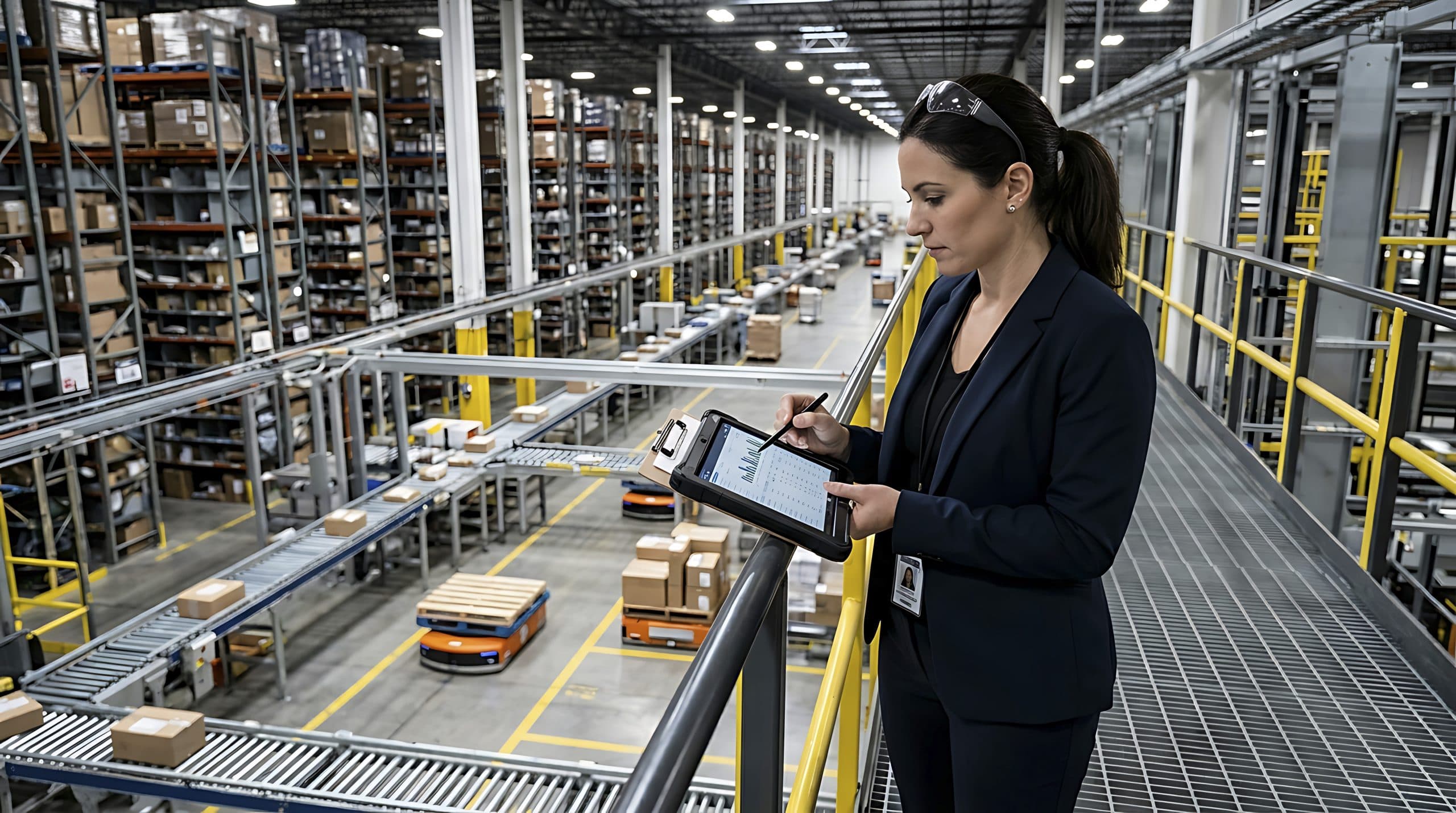
This blog is an overview of the presentation "Scaling Up: Automation and Work Platforms in Action" given live at MODEX 2026. HERE is a link to the audio of that presentation.Scaling Up: Building the Foundation for Smarter Warehouse AutomationAs warehouse operations continue to evolve, businesses are under pressure to improve productivity, maximize available space, and respond to changing customer demands. For many organizations, success depends on more than adding automation. It requires creating the infrastructure and facility design needed to support automation both today and in the future.The combination of automation, elevated work platforms, and strategic facility planning is helping companies increase storage density and operational efficiency. As robotic technology advances, organizations are taking a more holistic approach to design facilities that can adapt and grow alongside their operations.Think Beyond Square FootageFor years, warehouse capacity has been measured primarily by available floor space. Today, leading operations are focused on maximizing cubic volume.By utilizing vertical space through elevated platforms and multi-level work areas, facilities can create additional capacity for storage, picking, sorting, maintenance, and other critical functions. Whether retrofitting an existing building or designing a new operation, building upward can unlock significant efficiencies without requiring facility expansion.Start with Scalability in MindSuccessful automation projects are designed not only to meet today's needs but also to support future growth. Many organizations begin with targeted solutions that address immediate operational challenges and then expand those systems over time as demand increases.Planning for scalability from the outset can make it easier to add storage, increase throughput, or incorporate additional robotics without major disruption. It is also important to understand how automation will interact with the facility itself. Mobile and stationary systems each have unique design, safety, and structural requirements that should be evaluated early in the planning process.Automation Is Becoming More SophisticatedThe first wave of automation largely focused on reducing travel time by moving products closer to workers. Today’s technology is increasingly focused on reducing manual intervention at the point of work itself.Robotic picking technologies continue to advance, enabling greater accuracy, consistency, and productivity. At the same time, emerging technologies are expanding the capabilities of automation systems beyond simple transportation tasks, creating opportunities for more comprehensive automation throughout the fulfillment process.As these technologies continue to mature, businesses will have more opportunities to automate repetitive tasks while improving consistency and productivity.Infrastructure Matters More Than EverWhile automation systems often receive the most attention, underlying infrastructure plays an equally important role in project success.Mobile robotic systems place unique demands on floors, platforms, and building structures. Factors such as floor flatness, surface conditions, load capacity, and traffic patterns can directly affect performance and equipment longevity.For facilities considering automation, a thorough evaluation of existing infrastructure should be one of the first steps in the planning process. Understanding structural capabilities early can help avoid costly modifications later and ensure systems are designed for the environment in which they will operate.Safety Must Be Designed InAs automation deployment increases, safety remains a critical consideration.Today's robotic systems incorporate sophisticated software controls, obstacle detection technologies, and traffic management systems designed to safely navigate complex environments. Physical safeguards such as fencing, guarding, and designated operating zones help separate personnel from automated equipment when appropriate.The most effective safety strategies combine technology, facility design, and operational processes to create environments where automation and employees can work safely together.Environmental Conditions Cannot Be OverlookedWarehouse environments vary significantly, and automation systems must be designed accordingly. Temperature fluctuations, moisture, lighting conditions, floor materials, and electrostatic discharge (ESD) requirements can all influence system performance. Cold storage and freezer applications introduce additional challenges related to battery performance, condensation, and sensor reliability.Understanding these environmental factors early in the planning process helps ensure equipment selection in the facility design align with operational realities.Collaboration Drives Better OutcomesPerhaps the most important lesson for organizations pursuing automation is the value of involving the right stakeholders early.Successful projects often begin with collaboration among facility owners, automation providers, structural engineers, platform designers, and material handling experts. When infrastructure and building design are planned alongside material handling equipment requirements, organizations are better positioned to achieve long-term operational success.Automation continues to evolve at a rapid pace, creating new opportunities to improve efficiency, capacity, and productivity. As companies evaluate their next investment, those that take a holistic approach, considering technology, infrastructure, and future scalability together, will be best equipped to maximize the benefits of automation while preparing their facilities for the demands of tomorrow.Again, if you would like to listen the live presentation, here is the link: https://dfxhkgozl2wkt.cloudfront.net/mx2026/SMA_160_Apr15.mp4

While AI might be stealing the attention of the entire logistics industry, there’s no question that mobile robots are a close second.