
Follow Us


Copyright MHI © 2026 | All Rights Reserved
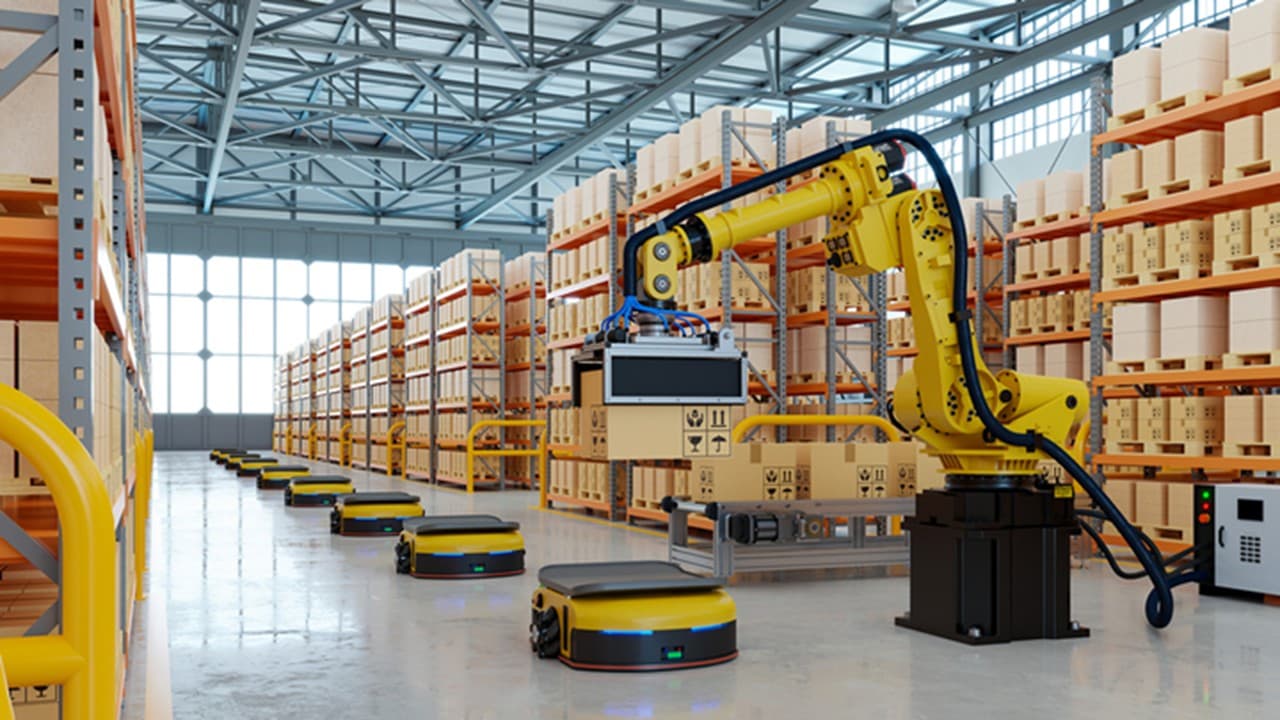
MODEX 2026 Session RecapAs autonomous mobile robots (AMRs) and automated guided vehicles (AGVs) become increasingly common in manufacturing, warehousing, and distribution environments, one component often receives less attention than it deserves: the wheel and caster systems that enable movement.During the MODEX 2026 session, "Efficient Casters and AGVs," industry experts explored the critical relationship between mobility components and automated vehicle performance. While software, sensors, navigation systems, and batteries often dominate automation discussions, the panel highlighted how caster and wheel selection directly impacts efficiency, battery life, throughput, maintenance requirements, and overall system reliability.The message was clear: automation performance starts at ground level.Every Pound of Force MattersFor AGVs and AMRs, efficiency is measured in more than speed. Energy consumption, battery runtime, and system longevity all play a role in determining operational success.One of the key themes discussed was rolling resistance—the force required to keep a wheel moving. Even small improvements in rolling efficiency can have a significant impact when multiplied across hundreds of vehicles operating thousands of hours per year.Reducing rolling resistance can help: Extend battery life Increase vehicle operating time between charges Reduce motor strain Improve throughput Lower total operating costsAs organizations seek greater productivity from their automation investments, optimizing wheel and caster performance becomes an increasingly valuable opportunity.The Floor and the Wheel Must Work TogetherThe session emphasized that AGV performance is heavily influenced by the interaction between the wheel and the facility floor.Factors such as: Floor condition Surface material Debris and contaminants Expansion joints Environmental conditionscan dramatically affect vehicle performance.Selecting the proper wheel material for the application is essential. A wheel that performs exceptionally well in one environment may create unnecessary resistance, wear, or vibration in another.Panelists stressed that successful AGV deployments require evaluating the entire mobility system rather than focusing solely on the vehicle itself.Reliability Drives ROIUnexpected downtime remains one of the most costly challenges facing automated operations.While organizations often focus on motors, controls, and software when troubleshooting AGV performance, mobility components can also contribute significantly to reliability issues.Wheel wear, bearing failures, flat spotting, and improper caster selection can lead to: Reduced efficiency Tracking issues Increased maintenance Unexpected downtime Higher operating costsDesigning mobility systems for durability and long service life helps ensure that AGVs deliver the return on investment organizations expect from automation technologies.Automation Requires PrecisionUnlike manually operated carts and equipment, AGVs rely on precise and repeatable movement.Even small variations in wheel performance can impact navigation accuracy, docking performance, and vehicle consistency.As AGV applications become more sophisticated, mobility systems must support increasingly demanding operational requirements. Precision bearings, high-quality wheel materials, and carefully engineered caster assemblies play an important role in helping automated systems achieve reliable performance.The panel highlighted that mobility components should be viewed as critical system elements rather than commodity parts.Sustainability Through EfficiencyAnother topic discussed was the growing focus on sustainability and energy consumption.Improving rolling efficiency not only reduces operating costs but also decreases overall energy demand. For facilities operating large fleets of AGVs, these gains can be substantial over time.Efficient mobility solutions contribute to sustainability goals by: Reducing energy consumption Extending battery life Lowering replacement frequency Minimizing maintenance requirements Reducing overall system wasteAs sustainability initiatives continue to influence capital investment decisions, mobility optimization is becoming an increasingly important consideration.Collaboration Drives InnovationA recurring theme throughout the discussion was the importance of collaboration between AGV manufacturers, mobility suppliers, end users, and industry organizations.No single component determines automation success. Instead, performance is achieved when all elements of the system work together.By bringing together expertise in automation, material handling, mobility, and operational requirements, the industry continues to develop solutions that improve efficiency, reliability, and productivity across a wide range of applications.Key TakeawayAs automation continues to transform material handling, the fundamentals of mobility remain as important as ever.The efficiency, reliability, and performance of AGVs depend on countless decisions made throughout the design process—including the wheels and casters that keep vehicles moving.The MODEX 2026 session "Efficient Casters and AGVs" reinforced an important lesson for the industry: when it comes to automation, smarter mobility drives better results.Organizations seeking to maximize the value of their AGV investments should look beyond software and sensors and recognize the critical role that efficient wheel and caster systems play in achieving long-term operational success.

In the dynamic world of material handling, where the efficiency and safety of operations hinge on the reliability of equipment, the often-overlooked heroes are the casters and wheels. Both play a pivotal role in the seamless movement of loads through industrial environments, yet the intricacies of selecting the right ones are often underestimated.Before you add to cart consider these common mistakes to avoid.Ignoring Load Limits: The Pitfalls of Overlooking Capacity RequirementsExceeding the recommended load capacity of casters can result in premature wear, damage, and failure. Most loads don't maintain an even weightacross the length and width of the platform. An off-center load could overload even the most durable casters. If a caster fails due to excessive weight, it can potentially cause injuries to workers and damage to products or infrastructure.It's crucial to accurately assess load requirements and choose casters that can accommodate the appropriate load capacity (including the weight of your cart!) Pro Tip: For optimal load distribution and safety, the common mistake of dividing the load capacity by 4 overlooks crucial factors. Instead, we advise dividing by 3 to account for potential uneven floors and to ensure stability. There are two reasons for this: First, on uneven surfaces, 3 or fewer casters bear a greater load, emphasizing the importance of ensuring the load can be adequately supported by 3 casters for operator safety and equipment integrity.Second, unpredictable load distribution necessitates planning for potential shifts, whether due to floor irregularities or weight imbalances. Adjusting the load rating accordingly ensures a proactive approach to prevent potential issues.Material Mismatch: Why the Right Wheel Matters for Your EnvironmentWheels are used in material handling because they significantly reduce the force required to move an object. Think about the force needed to push a heavy box across a floor. Static friction demands a specific applied force to initiate motion, and once in motion, dynamic friction insists on a consistent force to sustain it. The person exerting the force encounters a delicate balance: their applied force against the friction force generated by the box's weight and the floor. Therefore, it is crucial to understand the factors that impact caster performance.Will it navigate rough or uneven floor conditions? Is floor protection a priority? Does noise or speed play a role? Will the wheel be subjected to washdown or high-heat applications? These are the questions that guide the meticulous selection of the right caster and wheel.The complexities within polyurethane wheels alone can create paralysis in selecting the right type. Add in metal, nylon, rubber, and pneumatic, and it becomes even more crucial to comprehend the environment the wheel will be working in. Choosing caster materials unsuitable for the environment can have a significant impact on rolling resistance, triggering a waterfall effect of potential issues including compromised performance and durability, premature wear, failure, and a more strenuous work environment.Pro Tip: Casters and wheels come in various shapes, sizes, and materials to match unique performance requirements. Some roll-on tracks and temperatures up to 500F. Others bear 40,000-pound loads inside and outside the factory. Gather application data and choose an industrial caster/wheel manufacturer (or distributor) that you trust to help you select the right caster. Taking these extra steps will prevent headaches down the road. RELATED: Casters, Wheels, and Accessories GuideMaintaining Momentum: Why Speed Matters Most casters are rated for walking speed (3-5 mph), but sometimes the need for speed extends beyond this. Faster speeds require a caster that can not only withstand the increased velocity but also the increased severity of impacts. When towing loads at accelerated paces, it becomes imperative to assess not only the wheel material but the bearing type as well.Precision ball bearings can typically handle higher speeds and radial forces. These bearings are best for manual applications due to lower start-up forces. Wheels used in towing applications benefit from tapered wheel bearings as they run at higher speeds and encounter turns under load. These bearings are best for side load conditions as well as higher industrial speeds. Pushing the speed boundaries requires casters that can keep up without compromising performance or safety.Pro Tip: Larger wheel diameters and axles, more robust swivel construction, and bearing selection are critical components that enhance casters' overall performance and endurance at higher speeds. Overlooking Safety Standards: Don’t Put Your Workplace at RiskAccording to the Spine Research Institute at The Ohio State University, over 1.3 billion people suffer from musculoskeletal disorders that lead to low back, neck, shoulder, and other joint pain. While the causal pathways of these disorders are influenced by a multitude of factors, the workplace environment is a consideration.Adhering to safety standards ensures casters used in material handling meet specific load capacity, durability, and design criteria. This compliance is directly tied to workplace safety, reducing the risk of accidents, injuries, and damage to both personnel and property. Following safety standards helps create a safer working environment by ensuring casters can withstand the demands of the application.Pro Tip: Ask if the manufacturer is a member of the Institute of Caster and Wheel Manufacturers (ICWM), a Material Handling Institute (MHI) subgroup. Members are committed to safety and must adhere to certain criteria such as the American National Standard ANSI ICWM-2018, Vocabulary, Performance, and Testing Requirements for Casters and Wheels. This Standard is intended to guide owners, users, designers, purchasers, and/or specifiers of material handling equipment or systems.Neglecting Maintenance: The Silent Killer of Caster LongevityAccording to Forbes, unplanned/unscheduled downtime represents one of the costliest events at any manufacturing plant. Specific to casters, failing to perform regular maintenance, such as cleaning and lubrication, can lead to the accumulation of foreign objects and debris on caster components. This accelerates wear and tear, shortening the lifespan of the casters and increasing the risk of failure and unplanned downtime.Alternatively, planned downtime is a proactive approach to preventing breakdowns, and the build-up of contaminants within your caster to prolong the life of your equipment. Should you be using a caster that is not maintenance-free, it is important to implement a routine maintenance schedule that includes cleaning, inspection, and lubrication of caster components. Pro Tip: Have you considered maintenance-free casters? These casters minimize downtime and reduce maintenance costs by eliminating the need for lubrication or regular upkeep. Featuring sealed precision bearings and durable construction, they provide consistent performance, enhanced safety, and cleaner operation. Perfect for lean manufacturing, automated systems, and industries like aerospace, automotive manufacturing, healthcare, logistics, electronics assembly, cleanrooms, and renewable energy.As we understand the pitfalls explored above, it becomes evident that the right caster choice is not just about functionality but a commitment to safety, efficiency, and longevity. So, before you proceed with your next caster purchase, remember the cardinal rules: respect load limits, choose materials wisely, embrace routine maintenance, adhere to safety standards, and consider the often-underestimated factor – velocity. Each decision contributes to a chain reaction of reliability and performance in the workplace.Never consider casters and wheels a commodity; rather consider them the foundation of a safe, efficient, and enduring material handling environment.For more information visit hamiltoncaster.com or www.mhi.org/icwm.

Learn how the addition of collaborative robotics and autonomous mobile robots to handle routine tasks supports and enhances worker efficiencies.

Click Here to Read More