
Follow Us


Copyright MHI © 2026 | All Rights Reserved
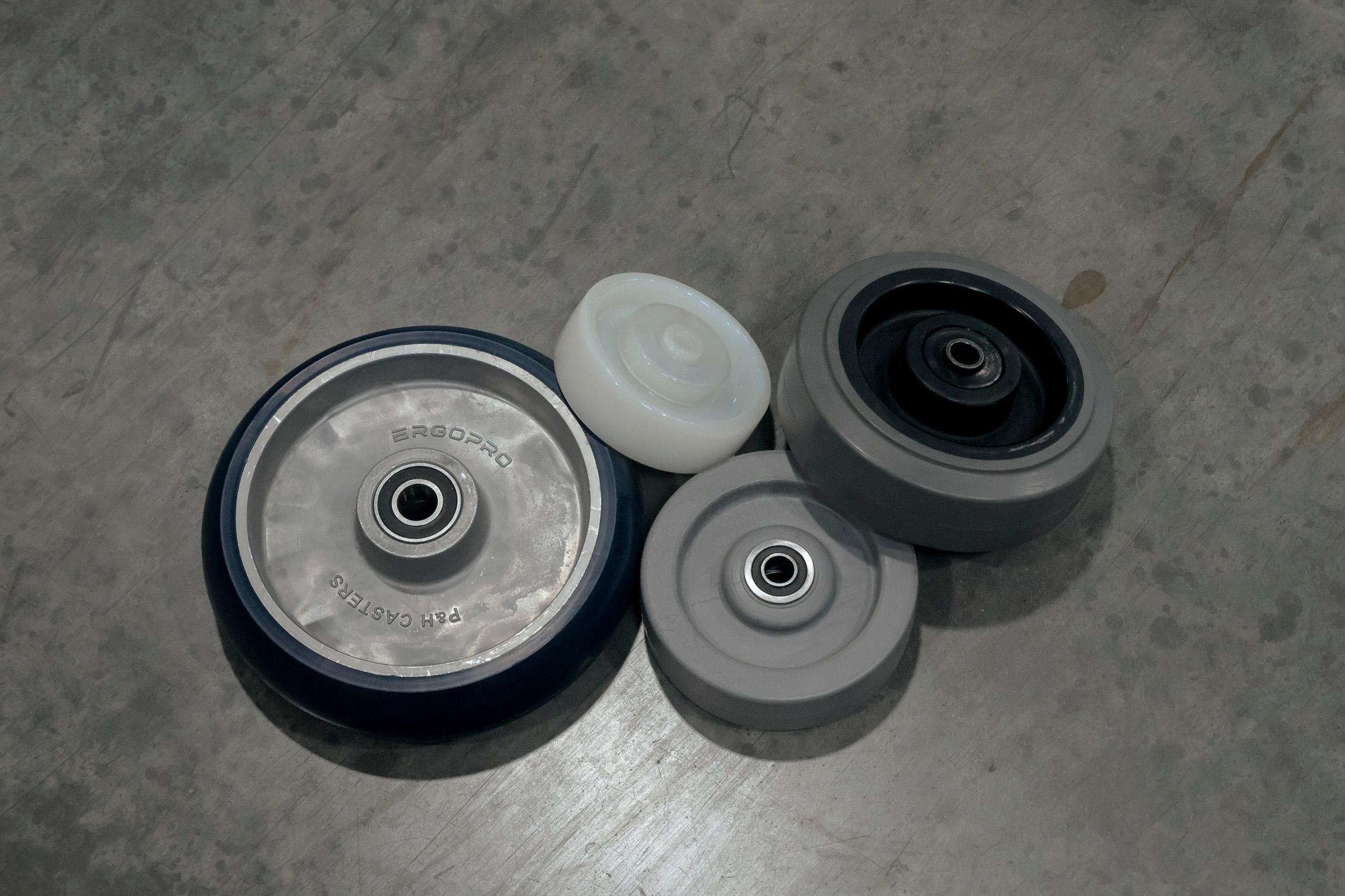
Ever notice that the loudest cart in the building is never the heaviest one? It's the one rolling on the wrong wheel.The wheel is the only part of a caster that actually touches your floor. Pick the right material and your carts roll quietly, your floors stay clean, and your team pushes less. Pick the wrong one and you pay for it every shift: flat-spotted wheels, scuffed floors, sore shoulders, and replacements that show up on the budget far sooner than they should.Most of the time, the decision comes down to three materials: polyurethane, rubber, and nylon. Here's a straight answer on what each one does best, where each one falls short, and how to choose.Why Wheel Material MattersWheel material controls four things you feel every day: Rolling effort: Harder wheels roll easier under heavy loads. Softer wheels take a little more push. Floor protection: Softer wheels grip and cushion. Harder wheels can mark or chip delicate floors. Noise and vibration: Softer materials absorb bumps and keep things quiet. Harder ones transmit more of it. Durability: Some materials shrug off chemicals, water, and heat. Others wear quickly in tough conditions.There's no single best wheel. There's only the best wheel for your load, your floor, and your environment.Polyurethane: The All-RounderIf you're not sure where to start, start here. Polyurethane combines a good share of rubber's floor-friendly cushion with much of nylon's toughness and load capacity. That balance is why it's one of the most popular wheel materials in material handling.Best for: Warehouses, distribution centers, and manufacturing floors Medium to heavy loads that move often Finished concrete, epoxy, and other floors you want to protectStrengths: Non-marking and quiet on most floors Strong resistance to cuts, abrasion, and oils Carries heavy loads without flat-spotting the way softer rubber can Long service life, which lowers cost over timeWatch out for: Higher upfront cost than basic rubber Not the best pick for very high heat or long exposure to some harsh chemicals Standard formulas can break down in constant wet or washdown conditions, so ask about specialty compounds if your carts see a lot of waterRubber: The Quiet CushionRubber is the softest of the three. It soaks up bumps, rolls quietly, and treats floors gently. When a smooth, silent ride matters more than heavy capacity, rubber earns its place.Best for: Hospitals, schools, offices, retail, and hospitality Light to medium loads Tile, wood, and other delicate or uneven floors Fragile cargo that needs a smooth rideStrengths: Excellent shock absorption and floor protection Very quiet operation Good grip, even on slick surfaces Typically the most budget-friendly optionWatch out for: Harder to push under heavy loads Can flat-spot if a loaded cart sits in one place for long periods Wears faster than polyurethane or nylon in demanding use Some standard rubber compounds can leave marks, so ask for non-marking rubber if floor appearance mattersNylon: The Heavy LifterNylon is hard, tough, and built for punishment. Because it barely deforms under load, it rolls with very little effort, even when the cart is stacked high. It's the go-to when strength and chemical resistance matter more than cushion.Best for: Heavy loads on smooth concrete or steel floors Food processing, washdown areas, and chemical environments Higher-temperature applications such as ovens and autoclaves (with the right formulation)Strengths: Very low rolling resistance, even under heavy weight Resists water, many chemicals, and corrosion Holds its shape and won't flat-spot Handles a wider temperature range than standard polyurethane or rubberWatch out for: Loud on rough or uneven floors Little shock absorption, so bumps go straight to the cart and its load Can damage or chip softer floors like tile and wood Debris on the floor makes a bigger impact since there's no giveSide-by-Side Comparison PolyurethaneRubberNylonLoad capacityMedium to heavyLight to mediumHeavyRolling easeEasyModerateEasiestFloor protectionHighHighestLowNoise levelQuietQuietestLoudestShock absorptionGoodBestMinimalChemical and water resistanceGoodFairExcellentUpfront cost Moderate Lowest Low to moderateBest fitWarehouses and manufacturingHealthcare, offices, retailFood processing, washdown, heavyindustrialFive Questions to Ask Before You Choose How much weight are you moving? Add up the cart plus its heaviest typical load, then make sure each caster can carry its share with room to spare. What floor are you rolling on? Smooth concrete, epoxy, tile, wood, and rough or cracked surfaces all call for different wheels. What's the environment? Think about water, washdowns, chemicals, oils, debris, and temperature. How far and how often does it move? Carts pushed all day by hand need easy rolling and less noise. Carts that mostly sit still need wheels that won't flat-spot. What does it cost over time? The cheapest wheel today can be the most expensive one by next year if it wears out, damages floors, or slows your team down.Still stuck between two? Polyurethane is the safe middle ground for most industrial work. Go softer with rubber when quiet and floor protection come first. Go harder with nylon when heavy loads, chemicals, or heat are part of the job.The Bottom LineThe right wheel material saves your floors, your team's energy, and your maintenance budget. The wrong one quietly costs you on all three.
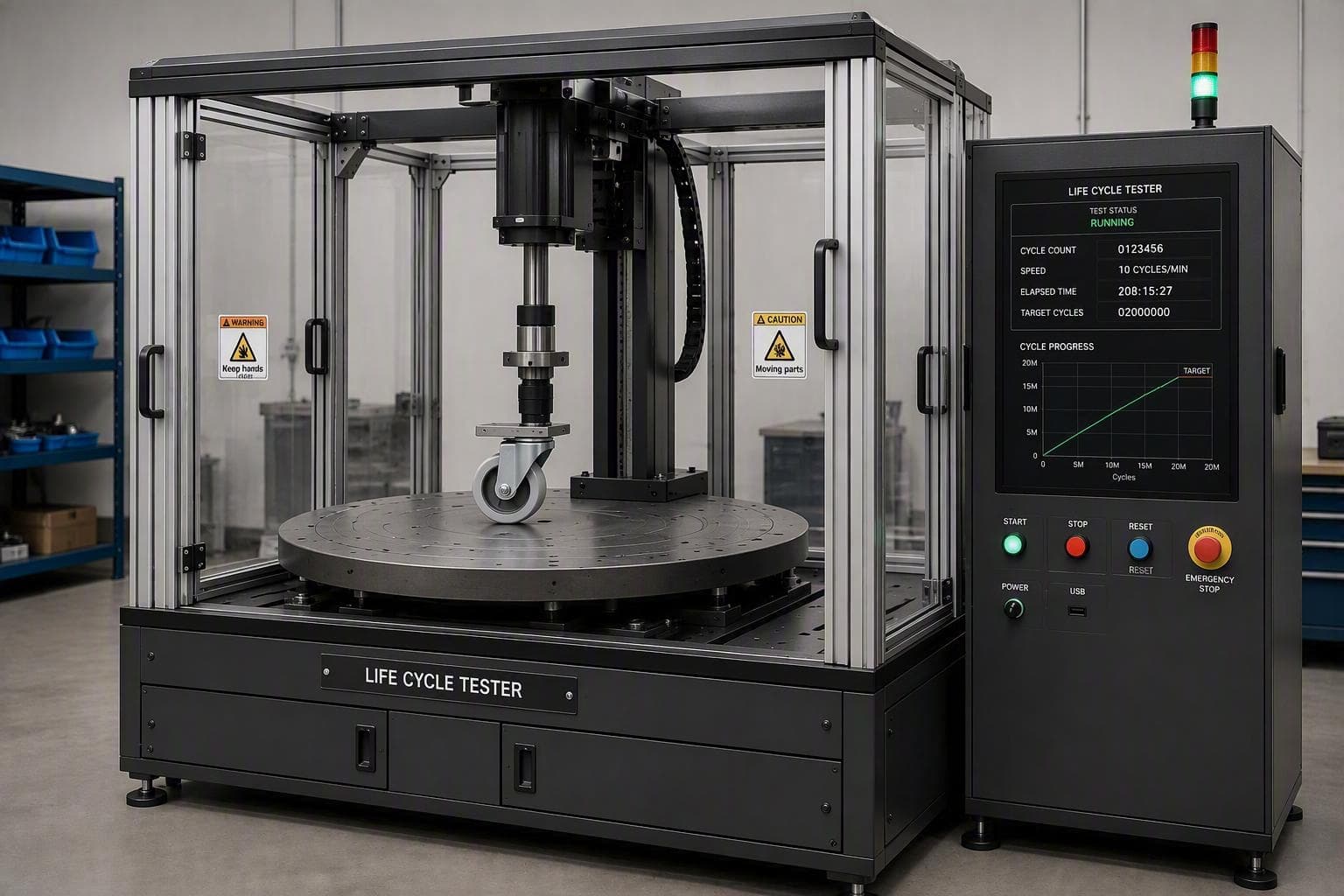
The ANSI ICWM‑2018 and ANSI ICWM‑2026 documents both define vocabulary, performance, and testing requirements for casters and wheels, but the 2026 version represents a significant update.The 2026 standard builds on the conceptual framework established in prior versions of the standard.The 2018 standard covers four primary categories: Furniture chair casters Industrial casters Institutional/medical casters Business machine & shopping cart castersThe 2026 version adds new categories of casters to reflect a wider range of real-world applications and specialized equipment, including: Bakery rack casters (casters used in high temperature environment) V-grooved wheels Separation of business machine vs. shopping cart casters, which had previously been lumped together in the standard.The 2026 version of the standard has been restructured such that test methods for the most common tests are grouped together at the beginning of the document. Then the acceptance criteria are listed for each category. Exceptions to this would be specialty test methods that are specific to only one category.The most notable changes in the 2026 standard are: Brake Holding Force acceptance criteria for tread compression brakes has increased from 7% of load capacity to 10% of load capacity. Performance expectations have increased for improved safety. Swivel play measurements / requirements are now listed as linear measurements, alongside angular measurements, to allow for flexibility in how results are reported. Vertical Impact test requirements are no longer defined for Industrial Casters or Institutional / Medical Casters. The reason for this is that vertical dynamic test provides a more realistic representation of how the casters will see impact in the field. Furniture is an exception as furniture is often flipped over onto the casters after the casters are installed. Static test requirement for Institutional Casters has changed from 4 times load capacity applied for 1 minute to 2 times load capacity applied for 1 hour. Static test requirement for Hospital Bed Casters has changed from 4 times load capacity applied for 1 minute to 3 times load capacity applied for 1 hour. Swivel lock and wheel brake efficiency test procedures have been separated in the 2026 standard to provide clearer direction for each test. Alternative test method provided for Swivel Lock efficiency.The new ICWM ANSI-2026 Casters & Wheels Performance and Test standard can be downloaded for free at www.mhi.org/icwm.
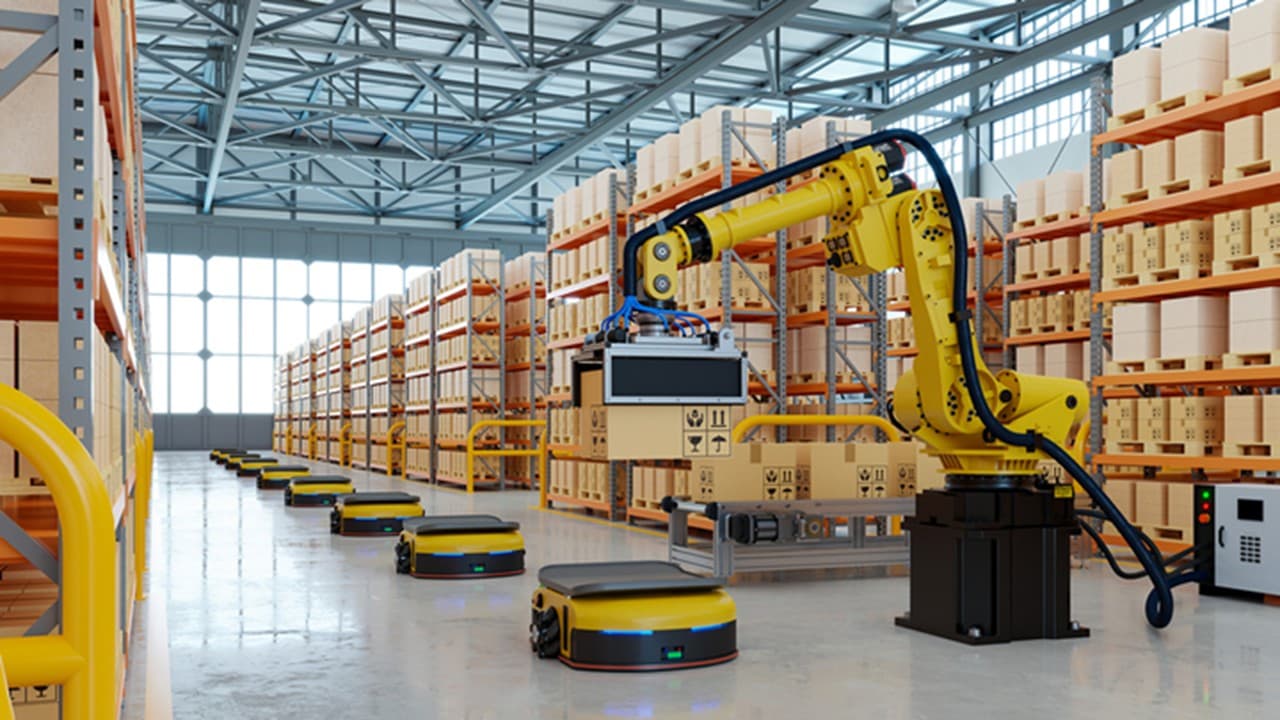
MODEX 2026 Session RecapAs autonomous mobile robots (AMRs) and automated guided vehicles (AGVs) become increasingly common in manufacturing, warehousing, and distribution environments, one component often receives less attention than it deserves: the wheel and caster systems that enable movement.During the MODEX 2026 session, "Efficient Casters and AGVs," industry experts explored the critical relationship between mobility components and automated vehicle performance. While software, sensors, navigation systems, and batteries often dominate automation discussions, the panel highlighted how caster and wheel selection directly impacts efficiency, battery life, throughput, maintenance requirements, and overall system reliability.The message was clear: automation performance starts at ground level.Every Pound of Force MattersFor AGVs and AMRs, efficiency is measured in more than speed. Energy consumption, battery runtime, and system longevity all play a role in determining operational success.One of the key themes discussed was rolling resistance—the force required to keep a wheel moving. Even small improvements in rolling efficiency can have a significant impact when multiplied across hundreds of vehicles operating thousands of hours per year.Reducing rolling resistance can help: Extend battery life Increase vehicle operating time between charges Reduce motor strain Improve throughput Lower total operating costsAs organizations seek greater productivity from their automation investments, optimizing wheel and caster performance becomes an increasingly valuable opportunity.The Floor and the Wheel Must Work TogetherThe session emphasized that AGV performance is heavily influenced by the interaction between the wheel and the facility floor.Factors such as: Floor condition Surface material Debris and contaminants Expansion joints Environmental conditionscan dramatically affect vehicle performance.Selecting the proper wheel material for the application is essential. A wheel that performs exceptionally well in one environment may create unnecessary resistance, wear, or vibration in another.Panelists stressed that successful AGV deployments require evaluating the entire mobility system rather than focusing solely on the vehicle itself.Reliability Drives ROIUnexpected downtime remains one of the most costly challenges facing automated operations.While organizations often focus on motors, controls, and software when troubleshooting AGV performance, mobility components can also contribute significantly to reliability issues.Wheel wear, bearing failures, flat spotting, and improper caster selection can lead to: Reduced efficiency Tracking issues Increased maintenance Unexpected downtime Higher operating costsDesigning mobility systems for durability and long service life helps ensure that AGVs deliver the return on investment organizations expect from automation technologies.Automation Requires PrecisionUnlike manually operated carts and equipment, AGVs rely on precise and repeatable movement.Even small variations in wheel performance can impact navigation accuracy, docking performance, and vehicle consistency.As AGV applications become more sophisticated, mobility systems must support increasingly demanding operational requirements. Precision bearings, high-quality wheel materials, and carefully engineered caster assemblies play an important role in helping automated systems achieve reliable performance.The panel highlighted that mobility components should be viewed as critical system elements rather than commodity parts.Sustainability Through EfficiencyAnother topic discussed was the growing focus on sustainability and energy consumption.Improving rolling efficiency not only reduces operating costs but also decreases overall energy demand. For facilities operating large fleets of AGVs, these gains can be substantial over time.Efficient mobility solutions contribute to sustainability goals by: Reducing energy consumption Extending battery life Lowering replacement frequency Minimizing maintenance requirements Reducing overall system wasteAs sustainability initiatives continue to influence capital investment decisions, mobility optimization is becoming an increasingly important consideration.Collaboration Drives InnovationA recurring theme throughout the discussion was the importance of collaboration between AGV manufacturers, mobility suppliers, end users, and industry organizations.No single component determines automation success. Instead, performance is achieved when all elements of the system work together.By bringing together expertise in automation, material handling, mobility, and operational requirements, the industry continues to develop solutions that improve efficiency, reliability, and productivity across a wide range of applications.Key TakeawayAs automation continues to transform material handling, the fundamentals of mobility remain as important as ever.The efficiency, reliability, and performance of AGVs depend on countless decisions made throughout the design process—including the wheels and casters that keep vehicles moving.The MODEX 2026 session "Efficient Casters and AGVs" reinforced an important lesson for the industry: when it comes to automation, smarter mobility drives better results.Organizations seeking to maximize the value of their AGV investments should look beyond software and sensors and recognize the critical role that efficient wheel and caster systems play in achieving long-term operational success.

Setting the Stage: Why 2026 Feels DifferentAccording to a recent study cited by a robotics-provider blog, “at least 76% of supply chainand logistics operations are experiencing notable workforce shortages,” with more thanhalf of warehouses reporting shortages. Additionally, a 2025 survey of warehouseoperators notes that “e-commerce demands, labor shortages and the need for spaceoptimization are driving demand for more warehouse automation.” Another articlesummarizing 2025 trends emphasizes how labor uncertainty, aging workforce, and highturnover make hiring/retention a persistent challenge for warehouses — pushing firmstoward automation & robotics adoption.There is clear, recent evidence that labor challenges and rising demand are fuelingautomation investments.Key Takeaways:• Persistent labor shortages that aren’t easing• Unpredictable demand patterns• E-commerce fulfillment still accelerating• Sustainability showing up in RFPs and purchasing criteria• A push toward flexibility rather than fixed infrastructureThe Automation Wave: What’s Actually Changing on the Floor.The global market for warehouse automation is estimated at USD 29.9 billion in 2025, withforecasts projecting ~USD 63.4 billion by 2030 (CAGR ~16.2%). Also, a closely relatedmarket — “material handling robotics” — is valued at USD 26.8 billion in 2025, with aprojected increase to USD 55.0 billion by 2032. A forecast for “AI robotics inwarehousing” reports a 2025 value of USD 15.3 billion and projects a huge expansion to~USD 100 billion by 2034 (CAGR ~23.2%). Industry sources describe a shift in 2025: whatonce was a “competitive advantage” is becoming a “critical necessity”. In a study byPMMI, 25% of warehouses are projected to have “some form of automation” by 2027 — upfrom 14% in 2017 and 18% at the end of 2021.The scale and growth rate of automation investments and the automation adoption — inconveyors, robotics, AMRs/AGVs, AS/RS, sortation systems, etc. — is accelerating sharply.Key takeaways:• AMRs/AGVs replacing long walking routes• Robotic pick stations and assisted picking• Conveyor upgrades and smarter sortation• Sensors, software, and data-driven flow decisionsThe Overlooked Piece: Mobility HardwareCasters may not headline budget meetings, but they shape everything from safety tothroughput. They determine how smoothly mobile workstations hand off to AMRs. Whethercarts track straight during autonomous towing. How vibration affects sensors, weld robots,or precision assembly. Whether floors wear prematurely under heavy dynamic loads. Inenvironments where robots and people coexist, even small mobility issues compound:Misalignment becomes a collision risk. Drift becomes a lost load. Vibration becomesa cycle-time penalty.It’s no exaggeration to say: automation works only as well as its mechanical interface withthe floor.Key Take aways:• Why mobile workstations, carts, fixtures, and tooling still need reliable casters• Where automation increases stress on wheels: directional shifts, dynamic loading,floor imperfections• How small mobility issues can derail a large automation investment (alignment,noise, vibration, drift, safety)Looking for the right caster solution for your application?ICWM connects you with the expertise, standards, and member companies to get it right.Explore more: https://www.mhi.org/icwm
This standard is a free downloadThis standard provides manufacturers, specifiers and users with a common basis for evaluating the safety, durability, structural adequacy, and technical requirements for group-specific casters and wheels. The standard defines industry terms, specific tests, equipment/methods that can be used, the conditions of tests, and minimum acceptance levels to be used in evaluating these products. This standard addresses the total range or market for casters and wheels for these categories:furniture chair casters;industrial casters (at or under 2.5 mph and over 2.5 mph);institutional and medical equipment casters; and business machine and shopping cart casters.This standard includes a glossary of caster and wheel terms, definitions, symbols and dimensions. Additionally, appropriate caster and wheel test equipment, procedures and methods are delineated and incorporated into this standard.
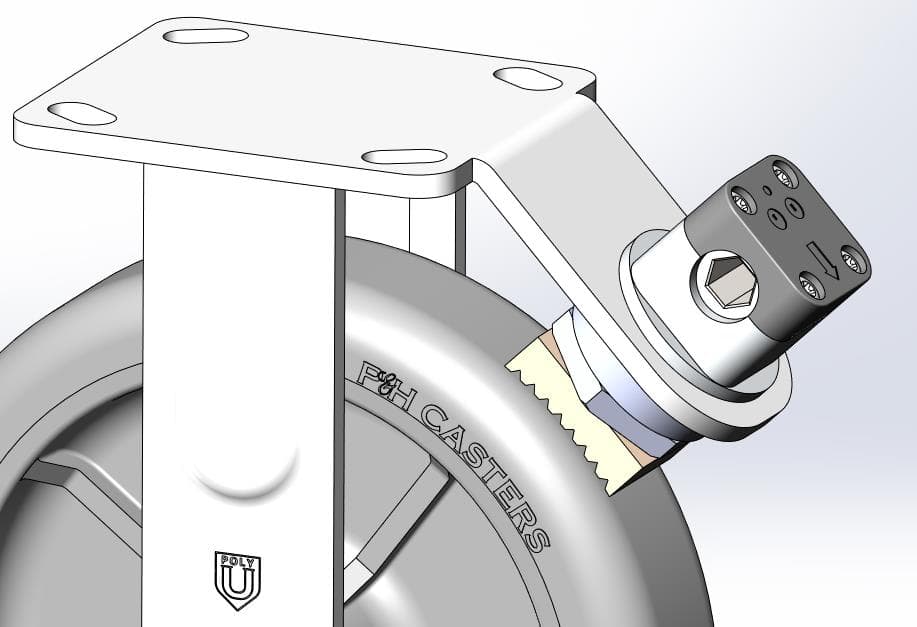
A grocery retailer presented an issue with their curbside delivery program. When loading groceries directly into the customer vehicle, brake mechanisms were failing and disengaging. P&H was able to use an existing brake concept and apply it to the rigid plate casters used on the rear of the delivery cart.
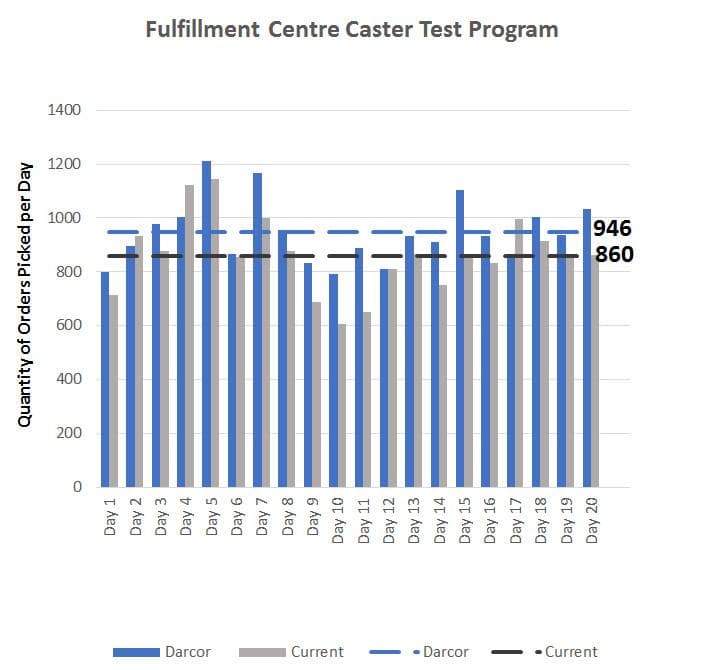
A Closer Look at How Low Quality Casters Will Cost Your Organization in Productivity
Formed in 1993, ICWM is the industry's leading supplier of casters, wheels, and more. If you’re in need of caster and wheel solutions, you can count on their team of experts to provide the answers you need.

All publications that are in PDF form for download are in this class