
Avoiding Bottlenecks with SLAM
Avoiding bottlenecks takes more than picking automation. Learn how SLAM (shipping, labeling, applying, manifesting) keeps your warehouse flowing.
By SLAM
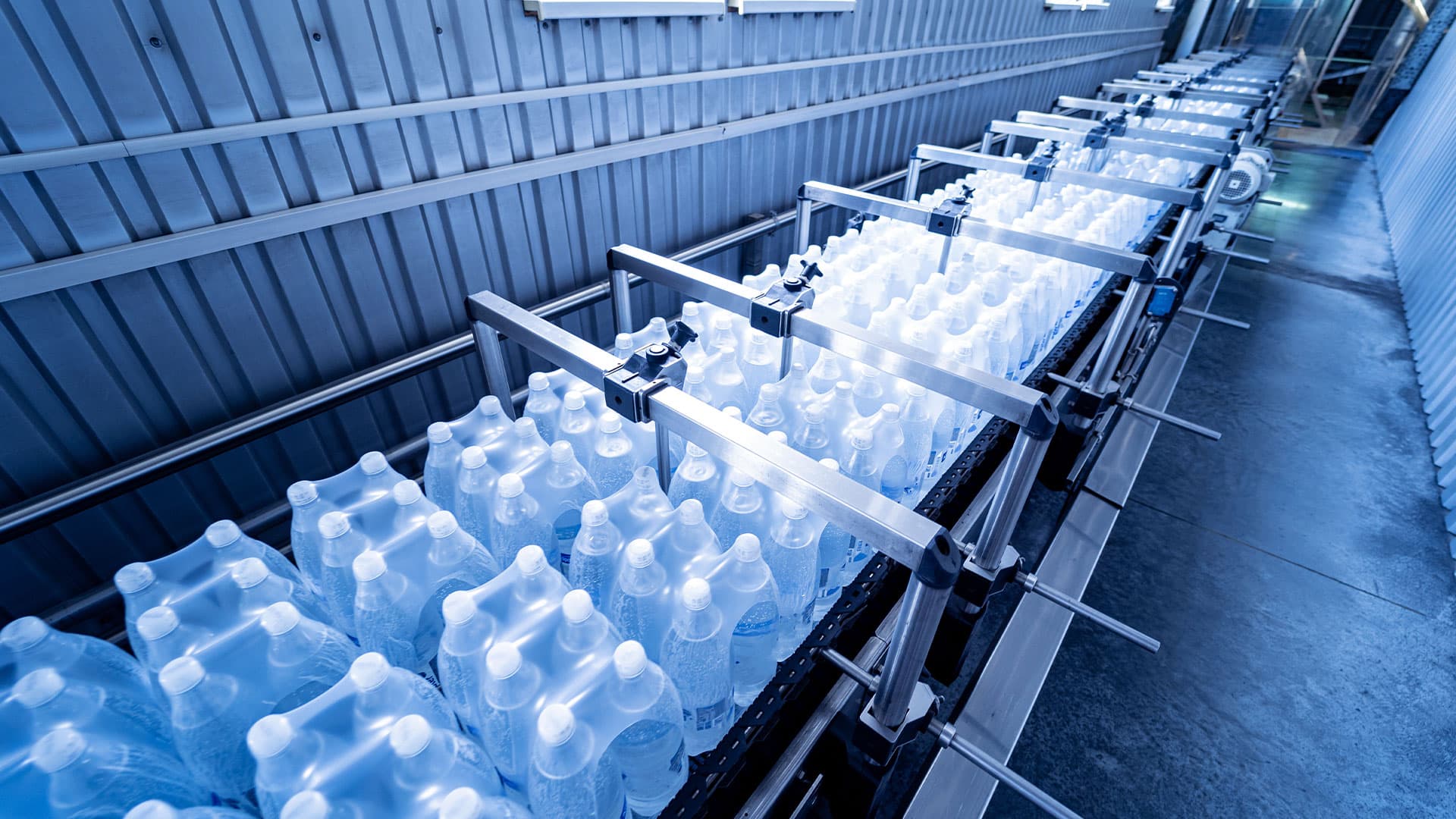
Expedited picking requires expedited packing and shipping.
Order fulfillment has never been more demanding. With customers wanting to receive orders in rapid fashion, the demands for customized packaging, and carriers with increasingly stricter rules, not to mention higher pricing structures, there’s no time to waste in the warehouse. Add in omnichannel delivery, and the warehousing floor gets complex and busy.
Most companies have responded with advanced picking operations, often implementing robotics to get the job done. And while that’s a key component to meeting today’s demands, if you’re not also paying attention to your shipping, labeling, applying and manifesting (SLAM), you may be experiencing inefficiencies and bottlenecks. Efficient packing and shipping have become table stakes, and you can’t afford to lose out.
To put things in perspective: 30 percent to 40 percent of picking station idle time is attributable to upstream or downstream inefficiencies. That’s an issue, because many companies bank on their investment in picking automation and robotics to increase their throughput. Adding AMRs generally amounts to an increase of 30 percent in throughput, but when that materials flow then hits a downstream bottleneck, that net impact drops to just 10 percent to 20 percent.
Fallout from downstream bottlenecks includes slowdowns at the pack station as orders pile up. If materials are held up at the SLAM line, it slows down flow to carriers which means delivery delays and unhappy customers. With transportation costs being one of the biggest cost centers today, orders need to be packed and sent out the door just as quickly as they’re picked.
It’s important to reframe your order flow into a mindset of continuous flow. You want materials to seamlessly move from picking to packing and out the door, without any delays along the way. You need SLAM operations that can keep up with the rapid pace of today’s picking processes to recoup any technology investment.
Your solutions begin with turnkey operations, led by both warehouse execution systems (WES) and warehouse control systems (WCS). Together, these are the “brains” behind your picking to packing operations, keeping materials flowing, if the SLAM line includes automation to match. While a WMS or ERP system manages the inventory, the WES and WCS integrate all the automated fulfillment processes, conveyors, sorters, and robotics. Implementing a modular software platform contributes to the success of adopting and implementing automation technology.
Other systems can lead to advanced order release with priority levels for batch, wave and continuous order release. A WCS will then provide real-time control of material handling equipment, including conveyors and sorters, AMRs, pallet shuttles, and goods-to-person solutions. It can support hundreds of configurable pick, pack, and ship rules. But it’s only as good as the data it receives—you must ensure data cleanliness to properly cartonize and identify all your packaging requirements.
Ideally, a cartonization engine will integrate picking and packing in a single step. 3D cubing cartonization algorithms can identify the optimal shipping container in real time. Overall, the goal is to reduce touches and increase throughput throughout the process.
Automating your SLAM line to match your picking operations will deliver the speed you need at pack out to keep up. Weighing a carton, capturing an image of the internal contents, printing and inserting packing lists into the carton, and pushing it through the scanner to weighing and dimensioning can all be automated steps in the process. From there, a printer can produce a label, apply it, and then scan verify the package. In a high-volume operation, you can even integrate multiple print and apply applications together, sort to carriers, and more.
When you’ve accomplished a fully automated and optimized flow of materials, your improvements can scale as your business grows. Return on investment for SLAM automation can be achieved quickly, often in as short as eight months. Your operations will become more sustainable as you right-size packaging and void fill and automate downstream processes. Your operations will become more scalable, extending your flexibility, reducing costs, and maximizing the throughput at your existing facility. In short—SLAM automation is the key to ending bottlenecks.
Want to learn more? Visit MHI’s SLAM Industry Group, or tap into the group’s recent presentation at MODEX.
Contributor: James Malley, Paccurate
Reviewed by: SLAM Marketing Committee
More information about Scanning, Labeling, Applying, Manifesting:
Using SLAM Automation to Rate Shop
You’ve Looked at SLAM Technology—Now What?
Why WARP Matters in Warehouse Receiving
How to Prepare for Trade Shows
Increased Demand for Robotic Packaging and Solutions
5 Major Reasons Companies are Automating Their SLAM Lines
Industry Groups
- Scan, Label, Apply, Manifest


